Start Low, Go Slow, Know When to Stop: A Beginner's Blueprint for Your First 30 Days of CBD
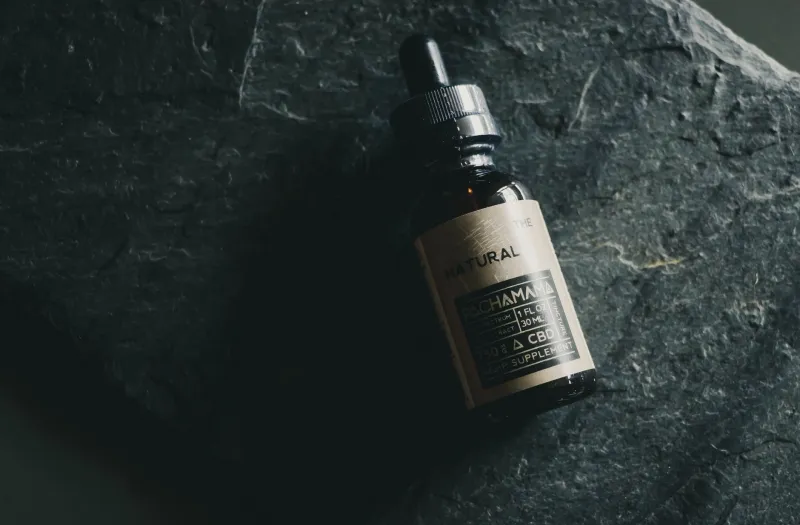
Walk into any American pharmacy, grocery store, or gas station and you'll find CBD within arm's reach. Yet for all its availability, the first month of using it remains surprisingly poorly navigated. Industry surveys suggest a large share of first-time buyers never finish their first bottle — not because CBD failed them, but because they ran an unstructured experiment with no baseline, no timeline, and no exit criteria.
This guide offers a corrective: a disciplined 30-day framework that tells you when to adjust, when to judge, and when to walk away.
Why Beginners Get It Wrong in Week One
New users tend to cluster around two mistakes. The first is impatience: taking 25 mg on a Tuesday, feeling nothing dramatic by Wednesday, and declaring the whole category overhyped. The second is excess: assuming that if a little might help, more must help more, then spending the first week foggy and discouraged.
Both errors stem from the same misunderstanding. CBD's effects are often subtle, cumulative, and highly individual. Body weight, metabolism, the composition of your endocannabinoid system, and even whether you take it with a fatty meal all influence what you feel. A single day tells you almost nothing. A structured month tells you a great deal.
Before You Start: Set Up Your Baseline
Resist the urge to open the bottle on day one. Instead, spend two or three days recording why you're trying CBD at all. Is it trouble falling asleep? Post-workout soreness? Daytime stress? Rate the issue on a simple 1–10 scale each morning and evening.
This baseline matters because CBD's effects, when they arrive, tend to be quiet. Without a recorded 'before,' you may miss the 'after.'
Also choose one product and one format to start. A tincture taken sublingually (held under the tongue for 30–60 seconds) offers the most flexibility for dose adjustments, which is why most experienced users recommend it for beginners over gummies or capsules.
The Week-by-Week Plan
Week 1 — The Calibration Phase. Start with 10–15 mg once daily, taken with food containing some fat to improve absorption. Hold this dose for the full week. Do not increase it, even if you feel nothing. Your only job this week is consistency and journaling.
Week 2 — The First Adjustment. If you noticed no change, increase to 20–25 mg daily. If you noticed mild benefit, stay put. If you felt groggy or uncomfortably sedated, drop back to 5–10 mg. Some people respond to surprisingly small amounts; researchers call these 'low-dose responders,' and they're more common than marketing suggests.
Week 3 — Timing Experiments. Keep your dose stable but experiment with when you take it. Morning dosing suits daytime stress and recovery; evening dosing suits sleep-related goals. Splitting the dose (half morning, half night) is another legitimate approach worth testing this week.
Week 4 — The Verdict. By now you've tried at least two doses and two timing patterns. Review your journal. Compare your symptom ratings to your baseline. This is the moment of honest evaluation — not day five.
The Symptom Journal, Simplified
You don't need an elaborate template. A note on your phone with five fields, entered twice daily, is enough:
- Time and dose taken
- Symptom rating (1–10)
- Sleep quality last night (1–10)
- Anything unusual (new stressors, illness, missed doses)
- Side effects, if any
The 'anything unusual' field is critical. If week two coincided with a deadline-heavy stretch at work, a bad sleep week may reflect your inbox, not your CBD.
Switch Products or Quit? How to Tell the Difference
There's a meaningful distinction between 'CBD doesn't work for me' and 'this product doesn't work for me.' Consider switching products — not abandoning CBD — if any of the following apply:
- The product lacks a current, batch-specific certificate of analysis from an independent lab. If you can't verify its contents, you don't actually know what you tested.
- You bought an isolate and may respond better to a full- or broad-spectrum formulation, where accompanying cannabinoids and terpenes may contribute to effects.
- You used a low-potency oil and hit the ceiling of what a reasonable dose of that product can deliver.
Give any replacement product the same 30-day structure before drawing conclusions.
Conversely, it may be reasonable to move on from CBD entirely if, after a well-documented month at appropriate doses with a verified product, your symptom ratings are unchanged. That's a legitimate outcome, not a failure. CBD is a tool, not a mandate.
One Non-Negotiable: Talk to Your Doctor or Pharmacist
CBD is metabolized by the same liver enzymes that process many common prescriptions, including blood thinners, statins, and certain antidepressants. Before starting — especially if you take daily medication — have a brief conversation with your pharmacist. It takes five minutes and eliminates the most serious category of risk.
Don't Waste the Bottle — or the Lesson
A first CBD routine done well costs you one bottle and thirty days of modest attention. Done poorly, it costs the same money and teaches you nothing. Start low, adjust slowly, write everything down, and give the experiment the full runway. Whatever you conclude at the end of the month, you'll conclude it with evidence — and that's worth more than any label claim on the shelf.