Between the Hype and the Evidence: A Dermatologist's Guide to CBD in Your Skincare Shelf
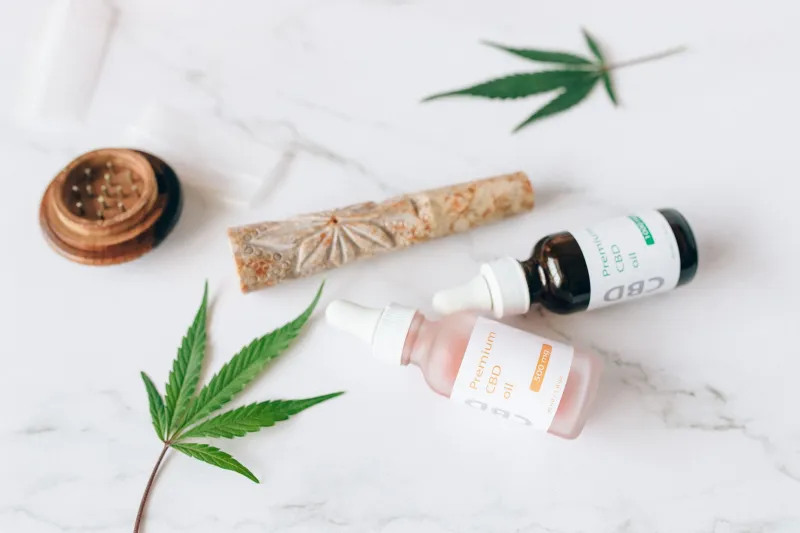
Somewhere between the hyaluronic acid craze and the retinol revival, cannabidiol slipped into the beauty aisle. Today you can find CBD in face masks, eye creams, body lotions, and even mascara. Sales figures suggest consumers are buying the story. Dermatologists, however, would like a word about what the science actually supports.
What the Research Reasonably Supports
Topical CBD is not a pure marketing invention. There is legitimate early science behind several claims — with heavy emphasis on the word 'early.'
Inflammation. CBD interacts with the body's endocannabinoid system, which plays a documented role in regulating inflammatory responses. Laboratory and small clinical studies suggest anti-inflammatory activity when CBD is applied topically, which is the biological rationale behind most CBD skincare products.
Acne. This is where the evidence is most interesting. Research indicates CBD may reduce sebum production in sebaceous glands and exert anti-inflammatory effects relevant to acne pathophysiology. A few small human studies have shown promise. No dermatologist is prescribing a CBD serum in place of standard acne therapy, but the mechanism is plausible.
Eczema and irritated skin. Some small trials and a growing body of anecdotal clinical observation suggest topical cannabinoids may help calm itch and inflammation in eczema-prone skin. Notably, the National Eczema Association has given its Seal of Acceptance to certain cannabinoid-containing products — a meaningful signal, though not an endorsement of CBD as a cure.
Where Marketing Outruns the Molecule
Now for the fine print. Many of the boldest claims on packaging — 'erases fine lines,' 'anti-aging breakthrough,' 'collagen booster' — have no meaningful human evidence behind them. Anti-aging claims in particular are almost pure marketing gloss; CBD has no established mechanism for reversing wrinkles.
A bigger problem, dermatologists note, is concentration. CBD is a large, lipophilic molecule that does not penetrate skin easily. A product containing a trace amount of hemp seed oil — which contains no CBD at all — can legally carry hemp leaf imagery and 'cannabis' branding. Hemp seed oil is a fine moisturizer. It is not cannabidiol.
Reading the Label Like a Professional
Before spending premium prices on a CBD cream, run it through this checklist:
- Look for 'cannabidiol' or 'CBD' in the ingredient list — not just 'cannabis sativa seed oil' or 'hemp extract.' Hemp seed oil and hemp extract are different ingredients with different contents.
- Check where CBD appears in the ingredient order. Ingredients are listed by concentration. If cannabidiol appears after the fragrance and preservatives, there isn't much of it in the jar.
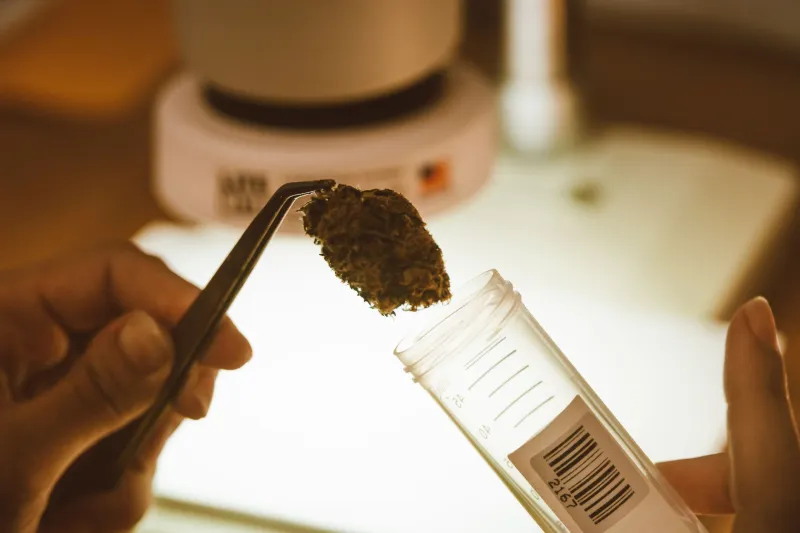
- Demand a certificate of analysis. Reputable brands publish batch-specific third-party lab results showing actual CBD content. No COA available? Assume the worst.
- Be wary of miracle language. Words like 'cure,' 'heal,' and 'treat' on a cosmetic label are red flags — both scientifically and legally, since cosmetics can't legally make drug claims.
- Mind the formulation. CBD degrades with light and heat. Opaque packaging and a reasonable price point (not $400 for a face cream) are better indicators of a serious product than influencer endorsements.
The Bottom Line for Your Medicine Cabinet
The honest dermatological position is this: topical CBD is a plausible, mildly supported ingredient for calming irritated or acne-prone skin, and a legitimate moisturizing vehicle when properly formulated. It is not a miracle compound, and the beauty industry's enthusiasm has comfortably outpaced the clinical literature.
If your skin is calm and healthy, a CBD serum is an indulgence, not a necessity. If you struggle with eczema, psoriasis, or persistent acne, CBD products are worth a cautious trial — after a conversation with a board-certified dermatologist, and never as a replacement for proven treatment. The compound may be quiet, but the smartest thing a shopper can be is skeptical.