Five Farms, Five Rulebooks: How State Lines Shape the Tincture in Your Cabinet
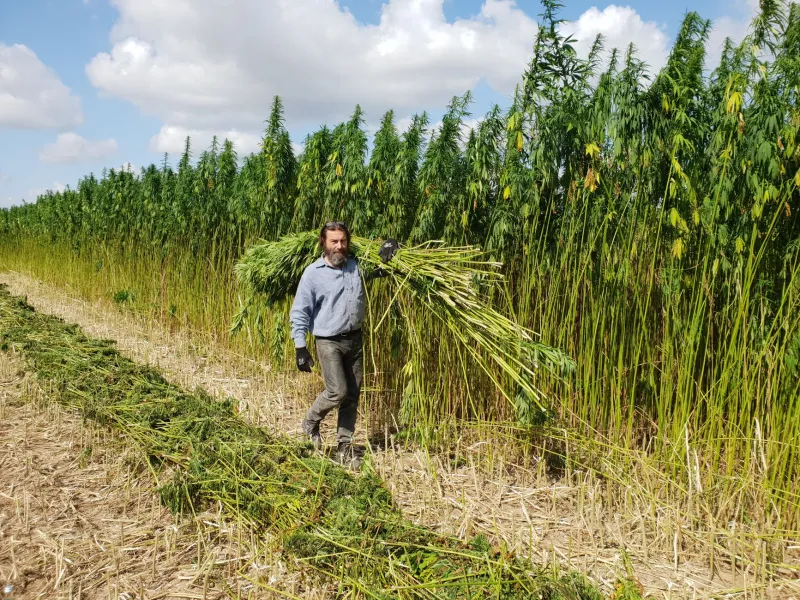
Every bottle of CBD tincture begins in a field most consumers will never see, governed by rules most consumers have never read. To understand why one 1,500-milligram tincture costs $40 and another costs $110, it helps to spend a season with the people who grow the plant.
Kentucky: The Legacy Operation
In central Kentucky, a third-generation tobacco farmer — call him Ray — converted a quarter of his acreage to hemp in 2019. His advantage is infrastructure: curing barns, drying equipment, and decades of crop-handling knowledge inherited from a state that built its agricultural identity on tobacco.
Kentucky's hemp program is among the most mature in the country, with established processors, testing laboratories, and a state department of agriculture that has learned to run the licensing machinery efficiently. That maturity translates into consistency. Ray's biomass sells at predictable prices to named processors, and his extract can be traced batch-by-batch from field to finished product — the kind of supply chain transparency that serious CBD brands pay a premium for.
The gamble: legacy infrastructure means legacy overhead. Ray can't compete with new entrants on price. He competes on quality and traceability instead.
Colorado: The Saturated Market
Two thousand miles west, a small grower outside Pueblo faces the opposite problem. Colorado legalized hemp early and enthusiastically, and the market flooded. Biomass prices that peaked in 2019 collapsed by more than 80 percent within two years as supply outran extraction capacity.
Her survival strategy is vertical integration: she grows, processes, and sells her own branded products direct-to-consumer at farmers markets and online. It's more work and thinner margins per bottle, but it keeps her from selling commodity biomass into a race-to-the-bottom market. For shoppers, her story explains a paradox: the cheapest CBD on the market often comes from growers with the least margin to invest in quality testing.
New York: The Regulated Newcomer
Upstate, a former dairy farmer planted his first hemp crop in 2022 under New York's tightly controlled cannabinoid program. New York took a different path than most states — modeling its hemp rules on its craft beverage framework, with strict licensing, mandatory testing, and a preference for products grown and processed within the state.
His costs are higher, his paperwork heavier, and his yield smaller than his Western counterparts. But his extract arrives with a regulatory paper trail that makes New York retailers comfortable stocking it. When you see a CBD product marketed with unusually detailed provenance claims, there's a decent chance a state program like New York's is behind it.
Oregon and Texas: Climate Writes the Label
In southern Oregon, an outdoor grower battles a different adversary entirely: the elements. Long summer days and dry autumns favor cannabinoid production, but wildfire smoke and drought can wreck a harvest's terpene profile — the aromatic compounds that give full-spectrum CBD its character. His lot-to-lot variation is real, and honest brands that source from him will tell you so.
In the Texas Panhandle, meanwhile, a row-crop farmer pivoted to hemp on thousands of acres with industrial-scale efficiency. Volume is his edge; boutique quality is not. His extract feeds the value tier of the market — the affordable tinctures at chain retailers.
Why Your Bottle Reflects All of This
The connection between these five farms and your medicine cabinet is direct:
- Price reflects the grower's cost structure — legacy infrastructure, vertical integration, or industrial scale.
- Quality and consistency track the regulatory maturity of the state behind the crop.
- Traceability is strongest where state programs mandate it and weakest where enforcement is loose.
- Lot-to-lot variation in full-spectrum products is often agricultural reality, not brand inconsistency.
The next time you compare two tinctures, ask the question most shoppers never think to ask: where was this grown, and under whose rules? The answer explains more about what's in the bottle than anything printed on the front label.