Belief in a Bottle: Is the Placebo Effect Doing the Heavy Lifting in Your CBD Routine?
The Uncomfortable Question Worth Asking
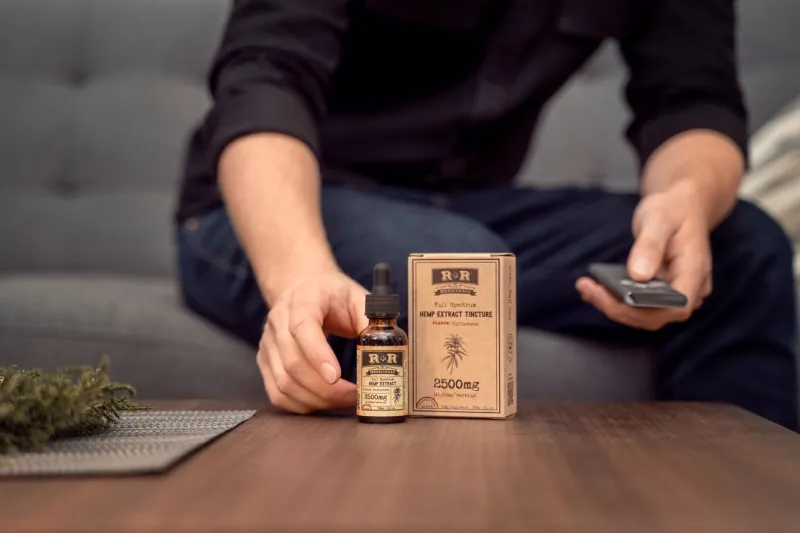
You spent $60 on a premium tincture, took it faithfully for three weeks, and felt... something. Calmer? Maybe. Less sore? Hard to say. If you've ever struggled to articulate exactly what your CBD product is doing for you, you're not alone — and you're not necessarily being fooled. But you might be being influenced in ways you never considered.
At CBDXpert, we believe honest self-assessment is just as important as third-party lab reports. So let's tackle the question few CBD brands want to touch: how much of what you're feeling comes from the cannabinoid, and how much comes from the belief?
Placebo Isn't Fake — It's Biology
The first thing to understand is that the placebo effect is not imaginary. It's a well-documented phenomenon in which expectation, ritual, and context produce genuine physiological changes. In clinical trials for pain, anxiety, and sleep — the very categories where CBD products compete — placebo response rates routinely run high. Some analgesic trials have seen placebo groups report improvements approaching those of the active treatment.
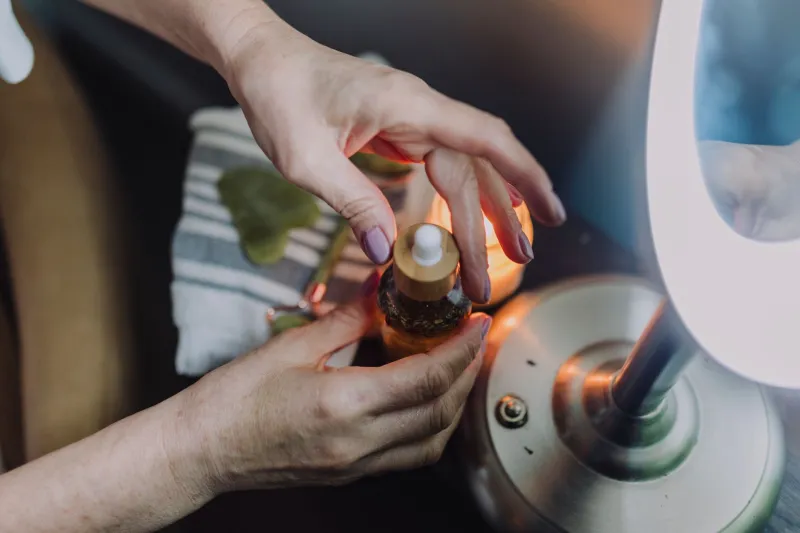
This matters for CBD because the conditions people use it for — stress, discomfort, restless nights — are precisely the conditions most susceptible to expectation effects. When you take a dropper of oil, you're also performing a ritual: measuring, waiting under the tongue, anticipating relief. That ritual itself can calm the nervous system.
Why Cannabinoid Research Makes This Tricky
Blinded studies of CBD face a peculiar problem: detecting side effects. In several clinical trials, participants guessed their assignment at rates well above chance, often because they noticed (or failed to notice) subtle effects. When participants can tell whether they've received the active compound, the blinding breaks down, and expectancy bias floods back in.
Consumer products make this worse. There's no blinding at all. You know you took CBD. You want it to work — you have, after all, invested money, hope, and a spot on your nightstand. Psychologists call this motivated reasoning, and it quietly colors our self-reports of nearly every supplement we take.
Signs Your Expectations May Be Doing the Work
None of these observations alone prove your product is inert, but they're worth honest reflection:
- The effect arrives before it could. Sublingual CBD typically needs 15–45 minutes to take hold. If you feel relaxed the moment the oil hits your tongue, belief may be leading the way.
- Every brand works equally well — or equally poorly. If a budget gas-station gummy and a top-shelf isolate produce identical results, the common denominator might be the ritual, not the chemistry.
- The benefit defies description. Genuine, measurable effects usually show up somewhere concrete: fewer nights awake, a lower resting heart rate, less post-workout stiffness the next morning.
A Self-Experimentation Journal That Actually Works
If you want to know whether CBD is delivering real value, treat yourself like a sample size of one — and run the experiment accordingly.
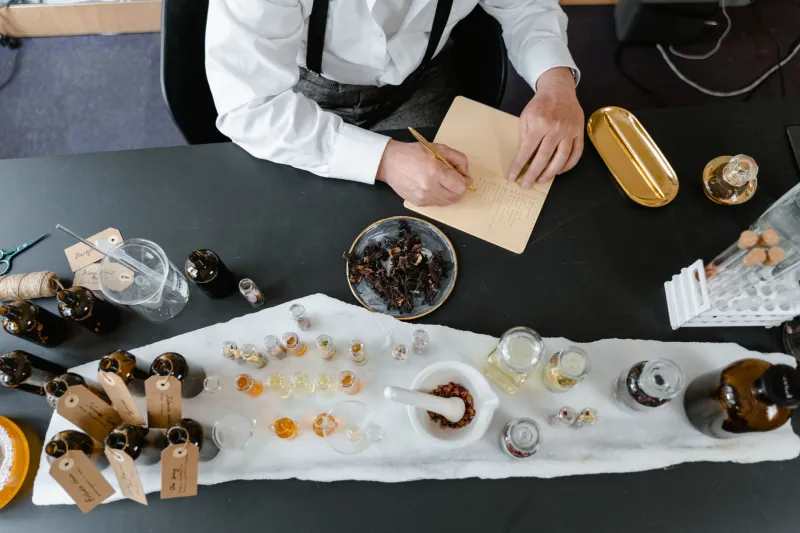
Step 1: Establish a baseline. Spend one to two weeks tracking your target symptom without CBD. Use numbers, not vibes. Rate sleep quality from 1–10, or count how many times discomfort interrupts your day.
Step 2: Track consistently. Once you start the product, log the same metrics daily at the same time. Include dose, timing, and anything unusual — a stressful meeting, a hard workout, a late coffee.
Step 3: Watch the delay. Note when you expect to feel something versus when measurable changes actually appear. A real effect should roughly track the product's known pharmacokinetics.
Step 4: Run a washout. After several weeks, stop for a week and keep logging. If your numbers stay steady without the product, that's important information. If they regress to baseline, you have evidence the CBD was contributing something real.
Step 5: Repeat with a different product or dose. Consistency across brands and formulations strengthens the case that the cannabinoid itself — not the packaging or the price tag — is responsible.
What If the Answer Is "Mostly Placebo"?
Here's the nuanced take: even if expectancy is amplifying your results, that doesn't mean you're wasting your money. If a nightly CBD ritual reliably helps you unwind, the outcome still matters. Wellness is rarely pure pharmacology.
But intellectual honesty has value. Knowing the difference lets you budget wisely, compare products on evidence rather than marketing, and have a more credible conversation with your physician. And if your journal shows nothing measurable after a fair trial? You've just saved yourself hundreds of dollars a year — and gained a clearer picture of what actually helps you sleep, recover, and stay steady.
The Bottom Line
CBD may well be doing something useful for you. The placebo effect may also be doing something useful for you. The two are not mutually exclusive — but only disciplined, honest tracking can tell you where one ends and the other begins. Grab a notebook, pick your metric, and give yourself the same scrutiny you'd demand from any brand claiming to improve your life.