Under Pressure: Can CBD Help High-Stakes Professionals Manage Stress Without Sacrificing Performance or Their Career?

Photo by Photo by Dannie Patiño-Hansen on Unsplash on Unsplash
For an ER nurse finishing a 12-hour overnight shift, a first responder processing a traumatic call, or a C-suite executive navigating a high-stakes merger, stress is not an occasional inconvenience — it is a near-constant occupational reality. Burnout rates across these fields have reached alarming levels in recent years, and the limitations of traditional interventions, from prescription anxiolytics to employee assistance programs, have left many professionals searching for supplemental tools that actually fit their lives.
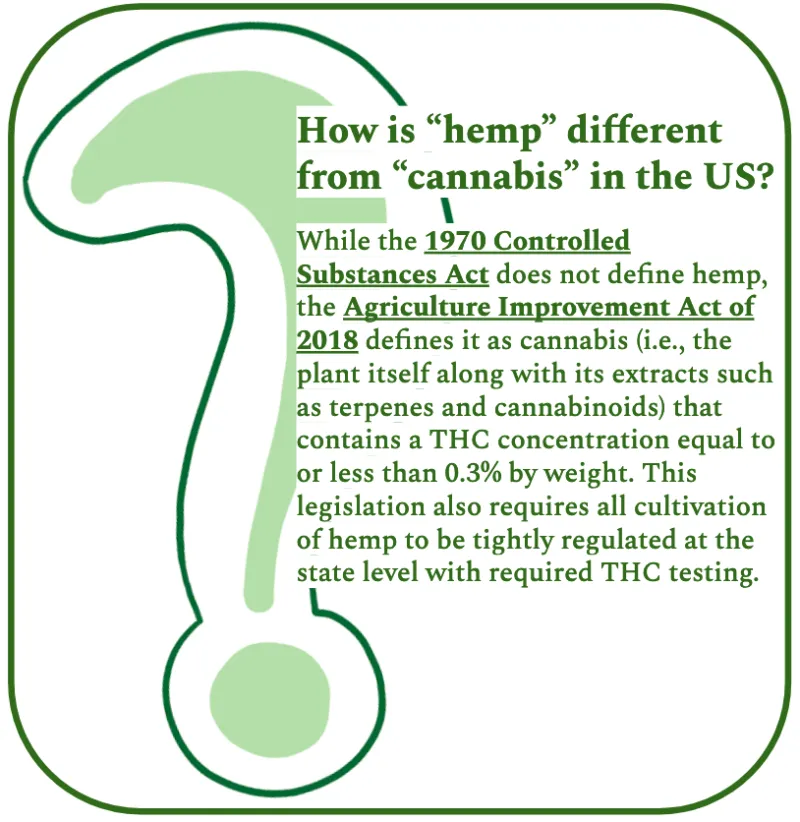
CBD (cannabidiol) has quietly entered this conversation. Derived from the hemp plant and federally legal under the 2018 Farm Bill when containing less than 0.3% THC, CBD is increasingly being explored as a non-intoxicating option for managing situational anxiety and stress-related conditions. Yet for professionals in regulated industries or safety-sensitive roles, the decision to incorporate CBD carries genuine complexity. This guide is designed to untangle that complexity with honesty and evidence.
Why High-Stress Professions Present a Unique Wellness Challenge
Occupational stress in fields like emergency medicine, law enforcement, intensive care nursing, and executive leadership is qualitatively different from the stress most people experience. It is persistent, often unpredictable, and frequently involves secondary trauma or moral injury. A 2022 survey by the American Nurses Association found that over 60% of nurses reported burnout, while research published in the Journal of Occupational Health Psychology consistently identifies executives in high-accountability roles as among the most physiologically stressed workers in the country.
Chronically elevated cortisol levels — the biological hallmark of sustained stress — are linked to impaired memory, suppressed immunity, cardiovascular strain, and disrupted sleep. Professionals in these fields often cannot afford to take sedating medications during working hours, and many are reluctant to seek mental health support due to stigma or licensing concerns. This creates a specific demand: something that takes the edge off without dulling the edge they need to do their jobs.
What the Science Says About CBD and Anxiety
CBD's interaction with the endocannabinoid system (ECS) — a network of receptors throughout the brain and body that helps regulate mood, stress response, and homeostasis — has made it a subject of legitimate scientific interest for anxiety-related conditions. The compound appears to modulate activity at serotonin 5-HT1A receptors, the same pathway targeted by certain antidepressants, as well as influencing cortisol regulation.
A landmark 2019 study published in The Permanente Journal found that 79% of participants with anxiety reported decreased anxiety scores within the first month of CBD use. Research from New York University's Langone Health has examined CBD's potential role in PTSD symptom management — a particularly relevant finding for first responders and combat veterans in law enforcement. While the body of clinical literature is still maturing, the National Institutes of Health (NIH) has funded multiple ongoing trials examining CBD's efficacy for stress-related disorders, signaling growing institutional interest.
Importantly, CBD does not produce the sedation or cognitive impairment associated with benzodiazepines or cannabis products containing THC. For professionals who must remain sharp, this distinction is not trivial — it may be the deciding factor.
The Drug Testing Question: What Professionals Must Understand
This is, without question, the most pressing concern for professionals in regulated or safety-sensitive roles, and it deserves a direct, unambiguous answer: CBD itself is not what drug tests screen for. THC is.
Standard workplace drug screenings — including those used by the Department of Transportation for commercial drivers, federal contractors, and many healthcare systems — test for THC metabolites, not cannabidiol. However, full-spectrum CBD products legally contain up to 0.3% THC, and with consistent daily use, trace amounts can accumulate to detectable levels in urine.
For professionals subject to drug testing, the evidence-based recommendation is to choose broad-spectrum or CBD isolate products, which are formulated to remove THC entirely. Third-party Certificates of Analysis (COAs) from accredited laboratories should be reviewed before purchase to confirm non-detect THC levels. Reputable brands make these documents publicly available on their websites.
It is also advisable for professionals to consult their organization's substance use policy and, when appropriate, speak with occupational health or HR personnel. Some healthcare systems and law enforcement agencies have begun developing specific guidance on hemp-derived CBD — a sign that institutional awareness is growing.
Dosing Strategies for Demanding Schedules
One of the practical barriers for busy professionals is integrating CBD into a schedule that allows little margin for experimentation. The following framework provides a starting point, though individual responses vary and consultation with a healthcare provider is always recommended.
Low-dose daily maintenance (10–25 mg/day): Appropriate for professionals seeking general stress modulation and improved baseline resilience. A morning dose in capsule or oil form can be taken alongside breakfast with minimal disruption to routine.
Situational dosing (15–40 mg, 30–60 minutes before a high-stress event): Some professionals report benefit from a higher acute dose ahead of known stressors — a difficult presentation, a trauma shift, a high-stakes negotiation. Sublingual tinctures offer faster absorption than capsules and may be better suited for this use case.
Evening recovery doses (20–50 mg): For professionals whose stress manifests primarily as post-shift hyperarousal or difficulty winding down, a larger evening dose may support the transition to rest without the grogginess associated with sleep medications.
Start low, track your response consistently for at least two weeks before adjusting, and prioritize products that have been third-party tested for potency accuracy — a significant variable in the current market.
Choosing the Right Product Format
Not all CBD products are created equal, and format matters for professionals with specific needs. Capsules and softgels offer the most consistent dosing and are discreet enough to take in a hospital break room or office setting. Sublingual tinctures act more quickly, typically within 15 to 45 minutes, making them suitable for acute stress situations. Gummies are popular for their convenience but tend to have slower onset and variable absorption due to digestion.
For any product, look for brands that conduct independent third-party lab testing, clearly display cannabinoid content per serving, and use domestically grown hemp subject to USDA oversight.
A Realistic Perspective
CBD is not a substitute for systemic mental health support, adequate sleep, or professional counseling. Professionals experiencing clinical anxiety, PTSD, or burnout-related depression should work with qualified healthcare providers. What CBD may offer, within an honest framework of expectations, is a well-tolerated, non-intoxicating supplement that supports the body's own stress-regulation mechanisms during periods of sustained demand.
For the healthcare worker, the first responder, and the executive navigating relentless pressure, that modest but meaningful support — without cognitive compromise or career risk — may be precisely what the moment requires.