The Mocktail Revolution: Can CBD Really Replace Your Evening Cocktail?
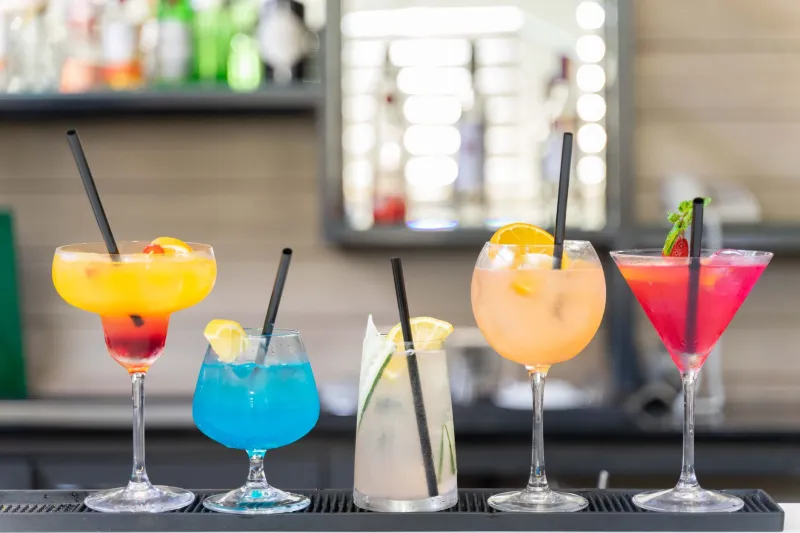
Walk into a trendy bar in Austin, Brooklyn, or Portland these days, and you may notice something new at the bottom of the drinks list: a CBD seltzer or hemp-infused mocktail, often priced alongside the craft cocktails. The rise of these products reflects a broader cultural shift. According to recent Gallup polling, younger Americans are drinking alcohol at notably lower rates than previous generations did, and the 'sober curious' movement — people who question their relationship with alcohol without necessarily abstaining entirely — has moved from niche wellness circles into the mainstream.
For many in this crowd, CBD has become the default substitute for the nightcap. But does the science support the swap, and what should responsible consumers understand before making it?
Why the Nightcap Is Losing Its Appeal
Alcohol's role as a social lubricant and stress reliever is deeply embedded in American culture, but its downsides are equally well documented. Even moderate drinking disrupts sleep architecture, and the cumulative health toll — from liver strain to increased cancer risk — has prompted organizations like the World Health Organization to state that no level of consumption is entirely risk-free.
CBD, by contrast, carries a very different profile. It is non-intoxicating, does not produce a hangover, and has not been shown to cause physical dependence. That contrast has made it an attractive marketing proposition: the relaxation without the reckoning.
What the Science Actually Says About CBD and Social Stress
The most-cited research in this area comes from a series of studies led by researchers in Brazil, including work presented to the Journal of Psychopharmacology, in which participants with social anxiety disorder received CBD before a simulated public speaking test. Those given CBD reported reduced anxiety compared to those given a placebo, with effects that appeared dose-dependent.
Encouraging, yes — but context matters. Those studies examined purified CBD in controlled doses among people with diagnosed social anxiety, not healthy consumers sipping a 10-milligram seltzer at happy hour. The beverage market operates in a far murkier zone. Many CBD drinks contain doses low enough that researchers question whether they produce any measurable calming effect at all, and individual responses to CBD vary considerably based on body chemistry, timing, and delivery method.
There is also the matter of onset. Sublingual CBD oils typically take effect within 30 to 60 minutes, while ingested beverages must pass through digestion, which can delay and diminish absorption. Anyone expecting the immediate warmth of a glass of wine may be disappointed by the subtler, slower experience CBD offers.
The Regulatory Gray Zone
Here is where things get complicated for the bar industry and the consumer alike. Under federal law, the 2018 Farm Bill legalized hemp-derived CBD containing less than 0.3 percent THC, but the Food and Drug Administration has not approved CBD as a food or beverage additive. The FDA maintains that CBD cannot legally be marketed in conventional foods or alcoholic beverages, though enforcement varies by state, and many bars and retailers operate in a tolerated gray area.
State-level rules add another layer of complexity. Some states, such as California and New York, have historically taken restrictive stances on CBD in food service, while others permit it with labeling requirements. For consumers, the practical takeaway is this: CBD beverages exist in a regulatory patchwork, and product quality can vary dramatically from one brand to the next.
This is why third-party lab testing — a certificate of analysis from an independent ISO-accredited laboratory — remains the single most important checkpoint before trying any CBD beverage or tincture. A trustworthy brand will make batch results readily available, confirming cannabinoid content and screening for contaminants like pesticides and heavy metals.
A Responsible Approach to the Swap
If you are considering trading your evening drink for a CBD alternative, a few principles will serve you well:
- Start low and go slow. A dose of 10 to 25 milligrams is a reasonable starting point. Give your body several trials before deciding whether CBD does anything for you.
- Manage expectations. CBD is not intoxicating and will not replicate a buzz. Think of it as a subtle shift toward calm, not a substitute high.
- Check your medications. CBD is metabolized by the same liver enzymes that process many common prescriptions, including blood thinners and statins. A conversation with your pharmacist or physician is essential before regular use.
- Time it deliberately. Because beverages absorb slowly, consider taking CBD 45 minutes to an hour before a social event rather than expecting instant effects.
- Buy from reputable sources. Skip the gas station and the unverified online seller. Look for brands that publish lab results and list CBD content per serving in plain terms.
One more caution: mixing CBD and alcohol in the same sitting is an area of limited research. Some evidence suggests the two may compound each other's sedative effects, so those exploring CBD as an alcohol alternative are best served by choosing one or the other on a given evening.
The Bottom Line
The mocktail revolution reflects something genuinely positive: Americans are thinking more intentionally about what they drink and why. CBD has a legitimate role in that conversation, and the early research on anxiety and stress is promising, if preliminary. But a hemp-infused seltzer is not a magic potion, and the market surrounding it remains underregulated.
For the sober curious, the wisest approach combines realistic expectations, verified products, and professional medical guidance — the same three pillars we emphasize in every guide here at CBDXpert. Whether the third drink gets skipped tonight or not, making that choice from an informed place is the real win.