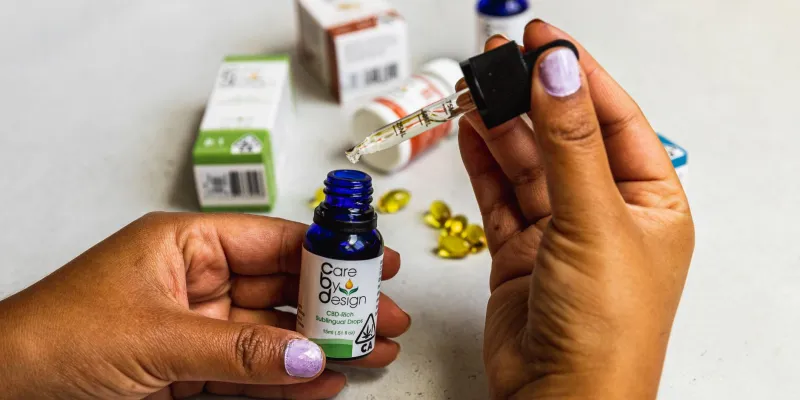
Before You Add CBD to Your Pill Organizer: A Pharmacist's View on Drug Interactions

Walk into any pharmacy in the United States and you'll likely find CBD products on the shelf — sometimes just feet from the prescription counter. Yet many consumers assume that because CBD is sold over the counter, it must be harmless alongside their medications. Pharmacists know better. The interaction between cannabidiol and prescription drugs is real, well-documented, and frequently overlooked.
Why CBD Interacts With Medications at All
The story begins in the liver, where a family of enzymes known as cytochrome P450 (CYP450) breaks down the majority of prescription medications. CBD is metabolized by many of these same enzymes — and, crucially, it can inhibit them while it's being processed.
When that happens, certain drugs linger in your bloodstream longer and at higher concentrations than your prescriber intended. The result is what researchers call the "grapefruit effect," named after the fruit that inhibits the same enzyme (CYP3A4). If your medication label warns against grapefruit juice, treat that warning as a signal that CBD deserves scrutiny, too.
The Medications Most at Risk
Not every prescription interacts with CBD, but several common drug classes warrant particular caution:
Blood thinners. Warfarin (Coumadin) is perhaps the most studied example. CBD can slow warfarin's metabolism, raising the risk of elevated INR levels and dangerous bleeding. Patients on warfarin should not add CBD without physician oversight and INR monitoring.
Thyroid medications. Levothyroxine users should know that CBD may interfere with how the body processes thyroid hormones, potentially requiring dosage adjustments after consistent CBD use begins.
Antidepressants and anti-anxiety drugs. SSRIs like sertraline and fluoxetine, along with benzodiazepines, are metabolized through CYP450 pathways. Additive sedation is a concern with benzodiazepines, while altered antidepressant levels can affect both efficacy and side-effect profiles.
Seizure medications. This cuts both ways: the FDA-approved epilepsy drug Epidiolex is itself pharmaceutical CBD, and its labeling documents clinically significant interactions with clobazam, valproate, and other antiepileptics.
Certain heart and cholesterol medications. Calcium channel blockers, statins, and some blood pressure drugs share the same metabolic pathways and may accumulate when CBD is on board.
Red-Flag Symptoms to Watch For
If you begin taking CBD while on prescription medication, monitor yourself for:
- Unusual bruising, nosebleeds, or blood in stool (possible over-anticoagulation)
- Excessive drowsiness, dizziness, or confusion
- Palpitations or changes in blood pressure
- New or worsening fatigue, which can signal thyroid disruption
- Nausea, jaundice, or dark urine — signs of liver stress
Any of these symptoms should prompt a call to your pharmacist or physician promptly.
Your Pre-CBD Checklist
Before adding CBD to an existing regimen, bring this list to your next appointment:
- A complete medication list — prescriptions, over-the-counter drugs, and supplements.
- The specific CBD product you plan to use, including its certificate of analysis (COA) from a third-party lab. Product composition matters; full-spectrum products introduce additional cannabinoids and trace THC.
- The dose and frequency you intend to take, since interaction risk generally increases with higher doses.
- Your liver health history, as existing hepatic conditions amplify concern.
- A request for monitoring, such as INR checks for warfarin users or liver enzyme panels for long-term use.
The Bottom Line
CBD is not dangerous by default, but it is pharmacologically active — and active compounds demand respect. The safest path is simple: tell your pharmacist before you start. They can cross-reference your medications, flag specific risks, and help you choose a starting dose that keeps both your wellness goals and your prescriptions on solid ground. At CBDXpert, we believe informed consumers are safe consumers — and when it comes to drug interactions, there is no substitute for professional guidance.