After 60: A Family Conversation About CBD, Safety, and the Questions Worth Asking First

Walk into any pharmacy counter, senior center, or Sunday dinner conversation these days, and CBD is likely to come up. According to industry surveys, adults over 60 now represent one of the fastest-growing segments of CBD users in the country — a remarkable shift for a generation that grew up when cannabis carried a deeply different reputation.
If you are a senior considering CBD, or an adult child watching a parent weigh the option, this article is for you. The goal is not to persuade anyone to try it. It is to make sure the first conversation happens with a pharmacist, a physician, and each other — before the first purchase.
Why Seniors Are Turning to CBD
The motivations are practical, not trendy. Many older adults report trying CBD for the aches of aging joints, disrupted sleep, or general anxiety about health and finances. Others have heard from a friend at church or a neighbor on the golf course that "it helped my knee."
Curiosity is understandable. But the age group also carries the most complicated health profiles of any demographic, which is exactly why careful questions matter more here than anywhere else.
The Medication Question Comes First
Older Americans are disproportionately likely to take prescription medications — often several at once. Blood thinners such as warfarin, thyroid medications, certain blood pressure drugs, and statins can all interact with CBD, which is metabolized by the same liver enzymes as many common prescriptions.
The practical takeaway: CBD is not automatically dangerous, but it is not automatically harmless either. Anyone on a regular medication regimen should treat CBD the way they would treat a new prescription — as something to clear with a professional first.
What to Actually Say to the Doctor
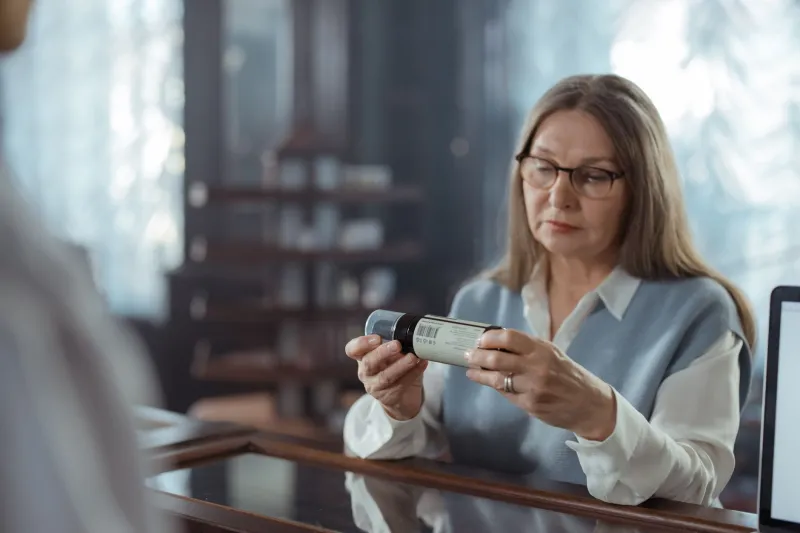
Many seniors hesitate to raise CBD with their physician, worried about judgment or an awkward lecture. A simple script helps:
- "I've been reading about CBD for my arthritis. Given my current medications, do you see any interactions I should worry about?"
- "Would you help me figure out a sensible starting amount if I decide to try it?"
- "Are there symptoms I should watch for that would mean I should stop?"
A physician who dismisses the question without discussion is a signal to seek a second opinion — ideally from a pharmacist, who is often the most accessible resource on drug interactions in the entire healthcare system.
Fall Risk, Balance, and Dosing Caution
One under-discussed concern for older adults is drowsiness. While CBD is generally non-intoxicating, some people — particularly at higher amounts — report sleepiness or lightheadedness. For someone already managing balance issues, osteoporosis, or a history of falls, even mild dizziness deserves respect.
Sensible precautions include:
- Starting with a low amount and taking it at night initially, when a fall matters less
- Avoiding CBD alongside alcohol or sedating medications
- Asking a family member to check in during the first week of use
Coverage, Costs, and What Insurance Won't Do
Here is a surprise for many first-time buyers: CBD is not covered by Medicare, Medicaid, or standard insurance plans. Whatever a senior spends on CBD comes out of pocket, and quality products are rarely cheap. That makes it worth setting a monthly budget before trying CBD, and being skeptical of companies that promise cures — a red flag the FDA has warned about repeatedly.
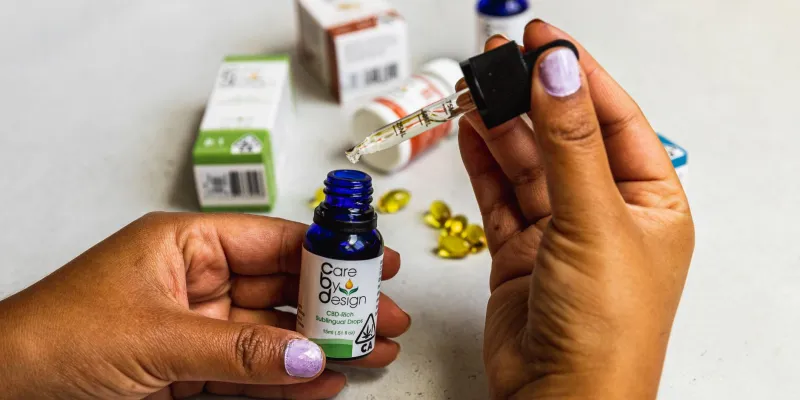
Adult children can help here by reviewing certificates of analysis (third-party lab reports) and steering parents away from gas-station or unverified online products.
Questions Seniors Ask Us Most
"Will it make me feel high?" Hemp-derived CBD contains little to no THC and does not produce a euphoric high, though reading lab reports to confirm THC content is wise.
"Can it replace my medications?" No — and anyone suggesting otherwise should be avoided. CBD may complement a wellness routine, but stopping prescribed medications should only happen with a doctor's guidance.
"What about my grandkids seeing it in the medicine cabinet?" Storing CBD securely, as with any supplement, is a reasonable habit.
"Is it legal where I live?" Hemp-derived CBD with less than 0.3% THC is federally legal, though state rules and workplace policies can vary.
How Adult Children Can Open the Conversation
If you are the adult child, resist the urge to arrive with a bottle of gummies. Instead, ask questions: "Have you heard about CBD from your friends? What do you think of it?" Skepticism from a parent who lived through the cannabis era is common and deserves respect. Offering to research products, check lab reports, and sit in on a doctor's appointment is more persuasive than any marketing claim.
The Bottom Line
CBD may have a role in an older adult's wellness routine, but the sequence matters: talk to the doctor and pharmacist first, review medications, start low, buy lab-tested products, and budget realistically. A thoughtful first conversation — between generations and with healthcare providers — is the best foundation for a safe experience.
This article is for informational purposes only and is not medical advice. Always consult a qualified healthcare provider before starting any supplement, especially alongside prescription medications.