From Soreness to Strength: How CBD Is Transforming Post-Workout Recovery for Everyday Athletes
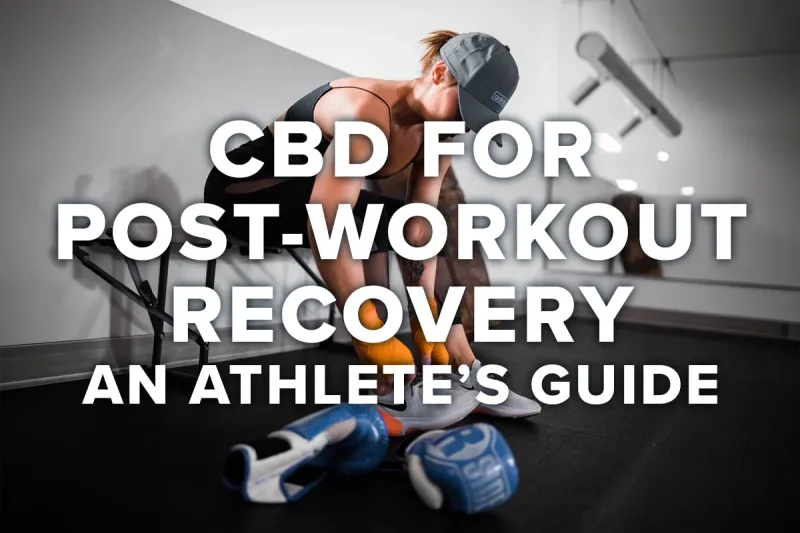
Photo: athlete stretching after workout with CBD oil and recovery products on gym floor, via www.cannatapesport.com
For millions of Americans who lace up their sneakers on Saturday mornings, push through lunchtime CrossFit sessions, or train for half-marathons after long workdays, recovery is just as important as the workout itself. Sore muscles, inflamed joints, and disrupted sleep can derail even the most disciplined fitness routines. Increasingly, athletes at every level are looking beyond ice baths and ibuprofen — and finding a compelling alternative in cannabidiol, better known as CBD.
At CBDXpert, we've tracked the growing body of research and consumer experience surrounding CBD and physical performance. What we've found is nuanced, promising, and worth examining closely.
Understanding the Science: Why CBD May Help with Exercise Recovery
When you exercise intensely, your body undergoes controlled tissue stress. Microscopic tears form in muscle fibers, triggering an inflammatory response that, while necessary for growth and adaptation, is also the primary source of post-workout discomfort. This process — known as delayed onset muscle soreness, or DOMS — typically peaks 24 to 72 hours after exercise.
CBD interacts with the body's endocannabinoid system (ECS), a regulatory network that plays a role in pain perception, immune response, and inflammation. Preclinical studies suggest that CBD may modulate the activity of cytokines — proteins that signal inflammatory responses — potentially reducing excessive inflammation without fully suppressing the adaptive process muscles need to grow stronger.
A 2020 review published in the Journal of Cannabis Research noted that CBD demonstrated anti-inflammatory and analgesic properties in multiple animal models, though researchers were careful to emphasize that large-scale human clinical trials remain limited. Still, the mechanism is biologically plausible, and anecdotal evidence from the fitness community continues to mount.
Beyond inflammation, CBD's potential impact on sleep quality is equally relevant to recovery. Restorative sleep is when the body repairs itself most efficiently, and studies suggest CBD may improve sleep latency and overall sleep quality — particularly in individuals experiencing anxiety or discomfort that disrupts rest.
Comparing Product Formats: Which Delivery Method Works Best for Athletes?
Not all CBD products are created equal, and the optimal format depends largely on the type of recovery support you're seeking.
Topicals: Targeted Relief Where You Need It Most
CBD-infused creams, balms, and roll-ons have become a staple in gym bags across the country. Applied directly to sore muscles or aching joints, topicals allow for localized relief without entering the bloodstream in significant amounts. This makes them particularly appealing for athletes who want to address specific areas — a runner's tight IT band, a lifter's inflamed shoulder — without systemic effects.
Many fitness coaches recommend topicals as a starting point for CBD newcomers. "I tell my clients to try a CBD balm on a problem area first," says Marcus T., a certified personal trainer based in Austin, Texas. "They can feel the difference in about 20 to 30 minutes, and it doesn't require any guesswork about dosing."
Tinctures: Fast-Acting and Flexible
Sublingually administered CBD oils — held under the tongue for 60 to 90 seconds before swallowing — offer faster absorption than edibles and more systemic coverage than topicals. This format is popular among athletes who want broader effects, including support for sleep and general stress recovery following competition or high-volume training weeks.
Tinctures also allow for precise dosing adjustments, which is valuable when dialing in the right amount for individual needs. Most fitness-focused users report starting at 15 to 25 mg per serving and adjusting based on response.
Edibles and Capsules: Consistency Over Speed
For athletes prioritizing long-term recovery support over immediate relief, CBD capsules and gummies offer a convenient, discreet option with consistent dosing. The effects take longer to manifest — typically 45 minutes to two hours — due to first-pass metabolism in the digestive system, but they also tend to last longer. This format suits those incorporating CBD into a daily wellness protocol rather than using it reactively after a tough session.
Real Athletes, Real Results: What Fitness Enthusiasts Are Saying
The testimonials emerging from recreational athletic communities across the US paint a consistent picture. Weekend trail runners report faster recovery between long runs. Yoga practitioners describe reduced joint stiffness during morning practices. Competitive cyclists note improved sleep quality during heavy training blocks.
Jessica M., a 38-year-old triathlete from Denver, Colorado, began using a CBD tincture eight months ago after struggling with chronic knee inflammation. "I was skeptical at first — I'd tried everything," she shares. "Within two weeks of consistent use, I noticed I was waking up less stiff and could train on consecutive days without the same level of discomfort. It's become non-negotiable in my routine."
These experiences align with what fitness professionals are observing in their clients. The key, trainers emphasize, is consistency and realistic expectations. CBD is not a pain-masking agent in the traditional pharmaceutical sense; rather, it appears to support the body's own recovery mechanisms over time.
Important Considerations for Athletes Using CBD
Before incorporating CBD into a fitness regimen, there are several factors worth noting. First, the World Anti-Doping Agency (WADA) removed CBD from its prohibited substances list in 2018, making it permissible for competitive athletes at the international level. However, other cannabinoids — including THC — remain prohibited, which means athletes should prioritize broad-spectrum or CBD isolate products that contain no detectable THC.
Second, product quality varies considerably across the US market. Look for brands that provide third-party Certificates of Analysis (COAs) verifying cannabinoid content and confirming the absence of contaminants such as heavy metals, pesticides, and residual solvents.
Finally, CBD may interact with certain medications, including blood thinners and anti-inflammatory drugs. Consulting a healthcare provider before beginning any new supplement regimen is always advisable.
A Practical Starting Point for Fitness-Focused CBD Use
For those ready to explore CBD as part of their recovery toolkit, a thoughtful approach yields the best results. Begin with a single product format — a topical for localized soreness or a low-dose tincture for broader support — and maintain consistent use for at least three to four weeks before evaluating effectiveness. Keep a simple log tracking workout intensity, recovery quality, and sleep to identify meaningful patterns.
The growing intersection of CBD and athletic wellness reflects a broader cultural shift toward holistic, proactive health management. For everyday athletes seeking sustainable performance and recovery, cannabidiol represents a scientifically grounded, increasingly accessible option — one that deserves a place in the informed consumer's wellness conversation.