Cooking with CBD: A Practical Guide to Infusing Cannabinoids into Your Kitchen Routine
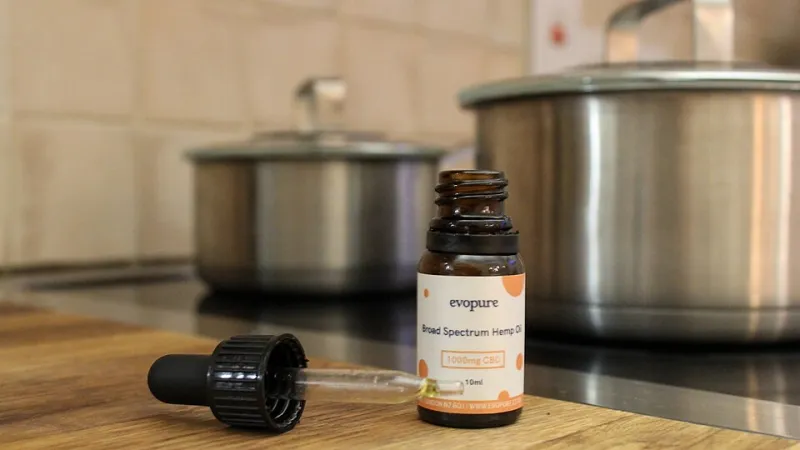
Photo: Evopure, CC BY 2.0, via Wikimedia Commons
The wellness kitchen has expanded considerably over the past decade. Alongside adaptogens, collagen peptides, and functional mushrooms, CBD has quietly established itself as one of the more versatile supplements available to health-conscious home cooks. Whether the goal is post-workout recovery support, a more restful evening, or simply a lower-inflammation approach to everyday eating, culinary CBD infusion offers a level of personalization that pre-made products rarely match.
But cooking with cannabinoids is not as straightforward as stirring a dropper of oil into your morning smoothie and calling it done. There is real science involved—and ignoring it can mean wasted product, inconsistent results, and a frustrating experience for anyone serious about getting the most from their investment.
Why Homemade CBD Infusions Can Outperform Store-Bought Edibles
Pre-made CBD edibles—gummies, chocolates, infused beverages—occupy a convenient niche in the market, but they come with meaningful limitations. Dosing is fixed, flavor profiles are predetermined, and the cost-per-milligram is typically higher than purchasing a quality oil or isolate and infusing it yourself.
Homemade infusions allow you to control the cannabinoid concentration, the carrier fat, the flavor, and the delivery format. A person who prefers a 25mg dose in their post-run protein bar has different needs than someone seeking a 10mg addition to their evening herbal tea. Pre-made products rarely accommodate that kind of granularity.
There is also a transparency advantage. When you source a high-quality CBD isolate or broad-spectrum oil and infuse it yourself, you know exactly what is in your food. Many commercial edibles are produced at scale with cost efficiency as a priority, and the actual cannabinoid content can deviate meaningfully from label claims—a well-documented issue in third-party testing studies of retail products.
The Science of Heat: Protecting Cannabinoids During Cooking
CBD is a relatively stable compound compared to THC, but it is not impervious to heat degradation. Understanding the thermal behavior of cannabinoids is essential for anyone who intends to cook with them seriously.
CBD begins to degrade at sustained temperatures above approximately 320–356°F (160–180°C). This does not mean you cannot bake with CBD—it means you should be thoughtful about where and how you incorporate it. Adding CBD oil to a batter that will be exposed to oven temperatures of 350°F is generally acceptable for short bake times, but prolonged exposure to high heat will diminish potency.
Best practices for heat management:
- Add CBD after cooking where possible. Drizzling CBD oil over finished dishes, blending it into sauces that have been removed from heat, or stirring it into warm (not boiling) beverages minimizes heat exposure entirely.
- Use CBD in fat-based preparations. Cannabinoids are lipophilic—they bind to fat molecules, which improves both stability during cooking and bioavailability during digestion. Infusing CBD into butter, coconut oil, olive oil, or ghee creates a versatile base for countless recipes.
- Avoid direct high-heat applications. Frying, broiling, or sautéing CBD-infused oils at very high temperatures is inadvisable. The oil itself may smoke and degrade before the dish is complete.
A Note on Decarboxylation—And Why It Matters Less for CBD
Anyone who has explored cannabis cooking has encountered the concept of decarboxylation: the heat-activated process by which CBDA (cannabidiolic acid) converts to active CBD. Raw hemp flower requires decarboxylation before its cannabinoids become bioavailable in the same way that raw cannabis requires it for THC activation.
However, most commercially available CBD products—oils, isolates, distillates—have already been decarboxylated during the extraction process. If you are working with a pre-made CBD tincture or isolate powder, decarboxylation is not a step you need to replicate. If you are working with raw hemp flower or hemp-derived CBDA products (a smaller but growing category), then gentle heat activation at around 220–245°F (104–118°C) for 30–45 minutes would apply.
For the majority of home cooks working with retail CBD products, the decarboxylation conversation is informational background rather than a practical requirement.
Mastering Dosing Consistency: The Biggest Challenge in the CBD Kitchen
Among experienced CBD users, dosing consistency is widely acknowledged as the most difficult aspect of homemade infusion. Unlike a commercial gummy where each piece contains a standardized 10mg, a homemade batch of CBD-infused cookies requires careful arithmetic to ensure each serving delivers a predictable amount.
The foundational approach is straightforward:
- Determine your total batch CBD content. If you add 300mg of CBD to a recipe that yields 30 cookies, each cookie contains approximately 10mg—assuming even distribution.
- Mix thoroughly. Uneven distribution is the enemy of consistent dosing. CBD oil or melted CBD-infused butter should be fully incorporated into batters, doughs, or sauces before portioning.
- Use a kitchen scale for precision. Volume measurements (teaspoons, tablespoons) introduce variability. Weighing your carrier oil or infused fat in grams produces more consistent results across batches.
- Document your recipes. Record the CBD product used, the concentration (mg/mL or mg/g), the quantity added, the total yield, and the calculated per-serving dose. This creates a reliable reference for future preparation.
For beverages, emulsification is an additional consideration. CBD oil and water do not naturally combine, which means a CBD-infused cold brew coffee or smoothie may have uneven cannabinoid distribution if not properly blended. Water-soluble CBD products—available in powder and liquid concentrate formats—address this challenge directly and are worth considering for beverage applications.
Simple Recipes to Start With
CBD-Infused Coconut Oil (Base Recipe) Combine 1 cup of organic coconut oil with your measured dose of CBD isolate or broad-spectrum oil in a double boiler. Heat gently at 130–150°F for 20–30 minutes, stirring frequently. Allow to cool and store in a sealed glass jar. Use as a 1:1 replacement for standard coconut oil in any recipe, adjusting the per-serving dose based on your batch calculation.
Post-Workout CBD Energy Balls In a mixing bowl, combine 1 cup rolled oats, ½ cup natural almond butter, 3 tablespoons honey, 2 tablespoons ground flaxseed, and your measured dose of CBD-infused coconut oil. Roll into 12–15 equal balls and refrigerate. These are well-suited to post-exercise recovery routines, pairing the anti-inflammatory potential of CBD with protein and complex carbohydrates.
CBD Honey Gently warm ½ cup of raw honey in a double boiler until fluid. Stir in your target CBD dose thoroughly. Allow to cool before transferring to a jar. CBD honey dissolves easily into warm tea, can be drizzled over yogurt, or used in salad dressings—one of the most versatile and approachable infusion formats for beginners.
When Pre-Made Products Make More Sense
Homemade infusions are not universally superior. For individuals who require precise, consistent dosing for a specific therapeutic purpose, commercially manufactured products from reputable brands—supported by third-party COAs—may offer more reliability than kitchen-produced batches. Travelers, those with limited time, or individuals new to CBD who have not yet established their optimal dose may also find pre-made products a more practical starting point.
The most effective approach for many users is a hybrid one: commercial products for daily baseline use and homemade infusions for intentional culinary integration that enhances both enjoyment and wellness outcomes.
Building a CBD Kitchen Practice
Cooking with CBD rewards patience, precision, and a willingness to experiment within a structured framework. Start with a single base infusion—an oil or a butter—and build your recipe library from there. Track your doses, note your experiences, and refine your approach over time.
For health-conscious individuals who already approach food preparation as an act of intentional self-care, incorporating CBD into that practice is a natural extension. The kitchen, after all, is one of the most powerful wellness tools available—and cannabinoids are simply one more ingredient in a thoughtfully curated pantry.