Cannabinoids and Your Complexion: A Dermatology-Informed Guide to CBD Skincare for Acne, Eczema, and Aging Skin
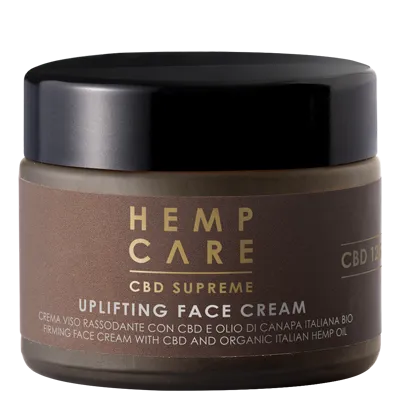
Photo: CBD skincare products serum cream on clean white background with hemp leaves, via www.hempcare.it
Walk through the skincare aisle of any Sephora, Ulta, or upscale pharmacy in the United States today, and you will find CBD prominently featured on bottles, jars, and tubes positioned alongside products from heritage dermatological brands. The global CBD skincare market is projected to surpass $3.4 billion by 2026, and American consumers are driving a substantial portion of that growth. Yet for every legitimate product backed by meaningful formulation science, there are dozens more riding the trend without substantive support.
At CBDXpert, our commitment is to help readers separate signal from noise. This guide examines what we actually know — biologically and clinically — about how cannabinoids interact with skin, which conditions show the most credible evidence for benefit, and how to navigate product selection with realistic expectations.
How CBD Interacts with Skin Biology
The skin is the body's largest organ, and it is also one of the richest sites of endocannabinoid system (ECS) activity outside the central nervous system. The ECS comprises a network of CB1 and CB2 receptors, endogenous cannabinoid molecules, and metabolic enzymes — all of which are present in keratinocytes (the primary cells of the outer skin layer), sebaceous glands, hair follicles, and immune cells within the dermis.
This distribution is significant. The ECS plays a documented regulatory role in sebum production, skin cell proliferation, inflammation, and barrier function — precisely the biological processes implicated in acne, eczema, psoriasis, and age-related skin changes. When CBD is applied topically, it does not meaningfully enter systemic circulation (unlike sublingual or ingested forms), but it does interact with local ECS receptors and may also modulate non-ECS pathways including TRPV1 receptors, which are involved in pain and inflammation signaling.
Dermatologists have taken note. A growing body of peer-reviewed literature, including a comprehensive review published in the Journal of the American Academy of Dermatology, acknowledges the theoretical plausibility of topical cannabinoids for inflammatory skin conditions — while appropriately calling for more rigorous clinical trials.
CBD for Acne: Addressing the Root Causes
Acne is not a single-mechanism condition. It involves excess sebum production, abnormal skin cell turnover, bacterial colonization (Cutibacterium acnes), and inflammation — sometimes all simultaneously. This multifactorial nature is part of why some individuals respond poorly to single-target treatments.
CBD's potential relevance to acne stems from research indicating that it may inhibit excessive sebocyte (sebum-producing cell) activity through ECS pathways, while also demonstrating anti-inflammatory properties in laboratory settings. A widely cited 2014 study published in the Journal of Clinical Investigation found that CBD suppressed lipid synthesis in human sebaceous glands and reduced inflammatory cytokine production in sebocytes — a meaningful preclinical finding, though not yet replicated in large-scale human trials.
For acne-prone individuals considering CBD skincare, lightweight serums and non-comedogenic oils are generally preferable to heavy creams, which may occlude pores. Look for formulations that pair CBD with proven complementary ingredients such as niacinamide, zinc, or salicylic acid. Avoid products with high concentrations of comedogenic carrier oils (such as coconut oil) regardless of their CBD content.
Eczema and Inflammatory Skin Conditions: The Case for Cannabinoids
Atopic dermatitis (eczema) affects more than 31 million Americans and is characterized by a compromised skin barrier, chronic inflammation, and intense itching. Conventional management relies heavily on topical corticosteroids, which carry risks with long-term use, and newer biologics that are effective but expensive and not universally accessible.
The ECS's role in regulating skin barrier integrity and immune response makes it a logical target for eczema-related research. A 2019 study published in Clinical Therapeutics found that a non-steroidal CBD ointment significantly improved skin parameters — including hydration, elasticity, and symptom scores — in patients with psoriasis and atopic dermatitis over a 90-day period. Participants reported reduced itching and improved quality of life without adverse effects.
While this represents encouraging early evidence, board-certified dermatologists consistently emphasize that CBD should currently be considered a complementary approach rather than a replacement for prescribed treatments. For individuals with mild to moderate eczema seeking supplemental relief, CBD-enriched balms and creams with high emollient content — formulated with ingredients like shea butter, ceramides, or colloidal oatmeal — may support both symptom management and barrier repair.
Anti-Aging Applications: Antioxidant Properties and Collagen Support
The anti-aging CBD skincare segment is perhaps the most commercially saturated, and also the one where marketing most frequently outpaces science. That said, there are biologically grounded reasons to consider CBD's role in skin aging.
Oxidative stress — driven by UV exposure, pollution, and metabolic processes — accelerates collagen degradation and contributes to the formation of fine lines and uneven skin tone. CBD has demonstrated antioxidant properties in laboratory studies, with some research suggesting it may be more potent than vitamins C and E in neutralizing free radicals under specific conditions. Additionally, CBD's anti-inflammatory properties may help mitigate the chronic low-grade inflammation (sometimes called "inflammaging") that accelerates dermal aging.
For anti-aging applications, CBD serums with high bioavailability delivery systems — such as nano-emulsified or liposomal formulations — are likely to offer better penetration than standard creams. Pairing CBD with established actives like retinol, hyaluronic acid, or peptides may produce synergistic benefit, though consumers should introduce new actives cautiously to identify any individual sensitivities.
Navigating the Market: What to Look For and What to Avoid
The absence of robust FDA regulation for cosmetic CBD products means that quality control varies widely. The following criteria should guide purchasing decisions:
Third-party laboratory testing: Any reputable CBD skincare brand will provide a Certificate of Analysis (COA) from an independent, ISO-accredited laboratory confirming cannabinoid content and the absence of contaminants including heavy metals and pesticides.
Transparent CBD concentration: Products that list only "hemp extract" or "cannabis sativa seed oil" without specifying milligrams of CBD are often either misleading or contain negligible active cannabinoid content. Hemp seed oil, while a beneficial moisturizing ingredient, contains no CBD and should not be marketed as a cannabinoid product.
Formulation quality: CBD is one ingredient among many. A well-formulated product with 200 mg of CBD per ounce will generally outperform a poorly formulated product with twice the concentration. Evaluate the full ingredient list with the same scrutiny you would apply to any premium skincare purchase.
Dermatologist-tested claims: While not a guarantee of efficacy, products that have undergone clinical or dermatological testing and can provide supporting data offer greater confidence than those relying solely on anecdotal testimonials.
Setting Realistic Expectations
CBD skincare occupies a genuinely promising — but still-developing — space in evidence-based dermatology. The biological rationale is sound, early clinical data is encouraging for specific conditions, and the safety profile of topical CBD is considered favorable by most dermatologists who have reviewed the available literature.
What CBD skincare is unlikely to do, at least based on current evidence, is deliver dramatic or rapid transformations. Consumers who approach it as a thoughtful addition to a well-rounded skincare regimen — rather than a singular solution — are far more likely to have a positive and honest experience with the category.
As with any skincare concern that is persistent, painful, or significantly affecting quality of life, consultation with a board-certified dermatologist remains the most reliable first step. CBD may well have a role in your routine — but that role is best defined with professional guidance and calibrated expectations.