Convenience Store or Counterfeit Cartel? Mapping the Risky Retail Channels Where CBD Goes Wrong
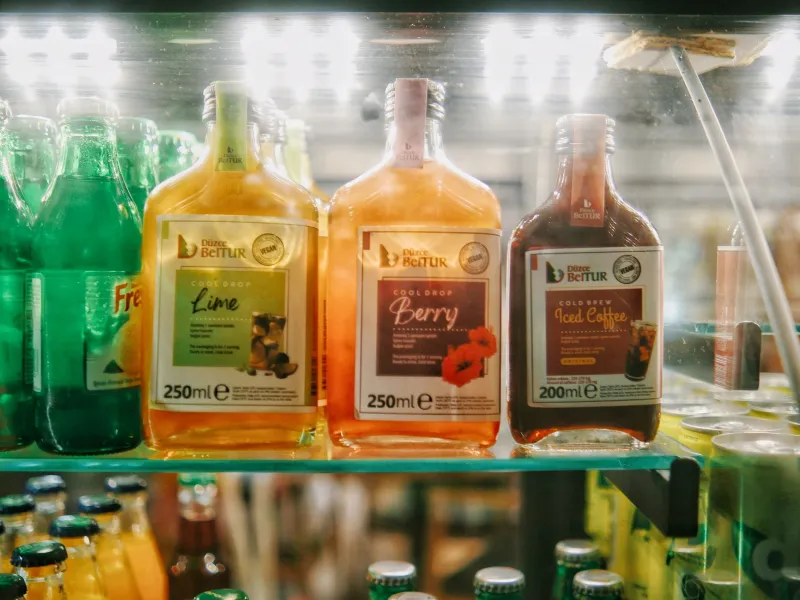
A Bottle Next to the Energy Shots
Walk into nearly any gas station along an American interstate and you'll find it: a pegboard of CBD gummies, vapes, and tinctures hanging between the nicotine pouches and phone chargers. The packaging promises relief, calm, and better sleep. What it rarely promises — because nobody is checking — is accurate potency, contaminant screening, or legal compliance.
The explosion of hemp-derived products after the 2018 Farm Bill created a gold rush, and not all of it happened in licensed dispensaries or reputable online storefronts. A significant share of CBD sold in the United States moves through what researchers and regulators call the gray market: convenience stores, smoke shops, pop-up vendors, and social media sellers operating with little to no oversight. Understanding this landscape is one of the most important steps a CBD consumer can take.
Why the Gray Market Thrives
The Farm Bill legalized hemp but left a patchwork of enforcement in its wake. The FDA has approved only one CBD prescription drug and has not formally cleared CBD as a dietary supplement ingredient, which means the agency's oversight of the supplement aisle is, by its own admission, limited. States fill the gaps with wildly different rules — some require testing and licensing, others require almost nothing.
Into that vacuum steps the low-barrier retailer. A gas station owner can order CBD products from a wholesaler with a credit card and a phone call. No certificate of analysis may be requested. No verification of the manufacturer's claims. The products arrive, get hung on a rack, and become the store's problem only if a regulator happens to visit.
What Testing Has Found on Gray-Market Shelves
Independent lab analyses of over-the-counter CBD products have repeatedly told the same uncomfortable story:
- Underdosing and overdosing. Studies have found that a majority of tested CBD products were mislabeled — many contained dramatically less CBD than advertised, while some contained more, or unlisted compounds like THC or synthetic cannabinoids.
- Contamination. Products have tested positive for pesticides, heavy metals leached from hemp grown in poor soil, and residual solvents from sloppy extraction.
- Synthetic cannabinoids. In the worst cases, particularly in vape products sold at smoke shops, labs have identified synthetic compounds with far greater risks than natural CBD, some linked to hospitalizations.
A product sold in a licensed channel isn't automatically clean, but a product sold from a gas station rack has, statistically, a much higher chance of never having been tested at all.
The Price Puzzle: $20 Here, $90 There
Consumers often assume the expensive CBD at a wellness boutique is simply marked up. Sometimes it is. But price frequently reflects real cost differences upstream:
Why cheap products are cheap: mass-grown biomass with poor cannabinoid content, minimal or no third-party testing, cheap carrier oils, artificial flavoring, and packaging that mimics premium brands. The $20 bottle may contain a few dollars' worth of actual hemp extract — or in some documented cases, almost none.
Why premium products cost more: US-grown hemp from licensed farms, CO2 or ethanol extraction with residual solvent testing, third-party lab verification for every batch, and quality sourcing of ingredients. That overhead is real, and it shows up in the price.
The trap is the middle ground: a gray-market product priced at $60 to look legitimate, with no documentation to back the number. Price alone tells you nothing. Paperwork tells you everything.
Red Flags to Spot In Person
Before you buy CBD from any physical retailer, run through this quick inspection:
- Ask for the certificate of analysis (COA). A legitimate seller can produce one — a batch-specific lab report from an accredited third-party lab showing cannabinoid potency and contaminant screening. If the answer is a shrug, walk out.
- Check the QR code. Reputable brands print a QR code linking directly to the lab results for your specific batch, not a generic homepage.
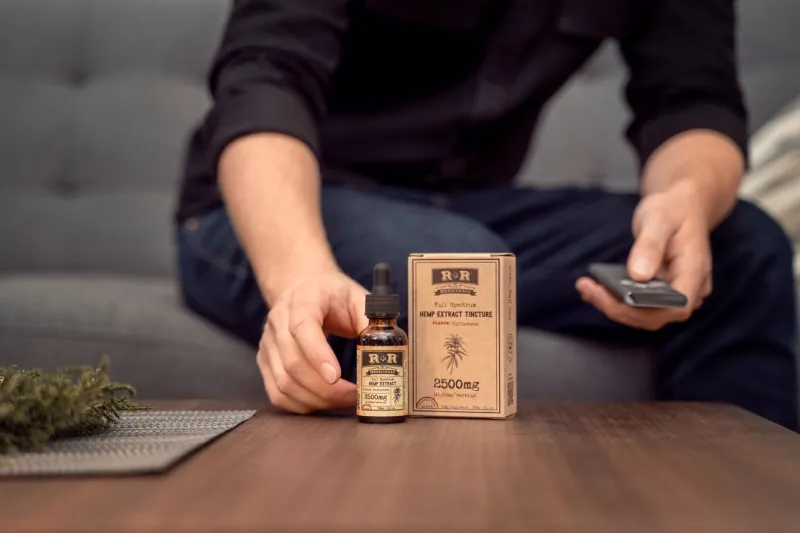
- Look at the label details. A mg-per-serving figure, a supplement facts panel, a full ingredient list, and a batch number should all be present. Vague terms like "hemp extract blend" without milligram amounts are a warning sign.
- Be suspicious of medical claims. No over-the-counter CBD product can legally claim to treat cancer, anxiety disorders, or any disease. Claims like "cures" or "treats" violate FDA rules and signal a seller who ignores regulation.
- Question the environment. A store that also sells drug paraphernalia, unlicensed delta-8 vapes of unknown origin, and products with cartoon packaging is not curating for safety.
Ranking the Retail Channels
Not all purchase channels carry equal risk. From most to least reliable:
- Direct from a transparent brand's website, where batch COAs are published and customer service can answer sourcing questions.
- Licensed dispensaries or licensed hemp retailers, in states where such licensing exists, since these businesses face regulatory scrutiny.
- Specialty wellness retailers and pharmacies that stock vetted brands and can produce documentation.
- Online marketplaces — a mixed bag; large platforms have banned CBD outright or host a tangle of listings of unverifiable origin.
- Smoke shops and vape stores, where synthetic cannabinoid contamination risk is historically highest.
- Gas stations and convenience stores, where products are typically an afterthought and documentation is rarely available.
- Social media sellers and pop-up vendors, the least accountable channel of all — no business address, no returns, no traceability.
The Bottom Line
The CBD industry's biggest problem isn't that good products don't exist — it's that good and bad products sit side by side on the same shelf, wearing equally convincing labels. In an under-regulated market, the burden of verification falls on the shopper. Ask for the COA. Scan the QR code. Buy from sellers who can answer questions about the farm, the extraction method, and the batch.
The bottle beside the energy shots might be fine. But "might be" is exactly the standard the gray market depends on — and exactly the standard your wellness routine deserves better than.