Five Bottles, Thirty Days, One Spreadsheet: An Honest Accounting of What Different CBD Brands Actually Deliver
Photo: elsaolofsson, CC BY 2.0, via Wikimedia Commons
Most CBD comparisons you read online are written after an afternoon of browsing websites. This one took thirty days, five tinctures, a notebook, and a spreadsheet that grew more columns than we initially planned. The goal was simple: determine whether the price you pay for CBD in the United States actually corresponds to anything measurable — or whether consumers are simply paying for packaging.
The Contenders and the Ground Rules
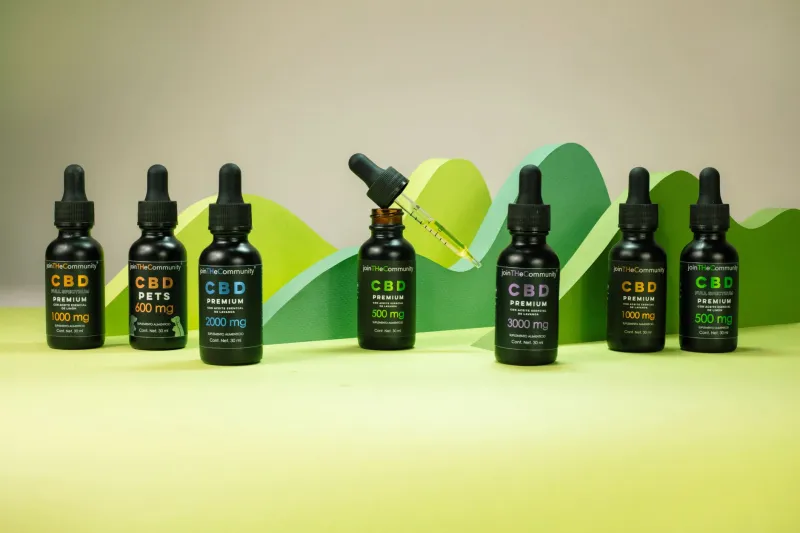
We selected five brands representing distinct market segments: a budget oil from a national drugstore chain ($19.99), a mid-tier online direct-to-consumer brand ($44.99), a premium wellness label sold in boutiques ($74.99), a pharmacist-formulated product ($94.99), and a farm-direct tincture purchased at a Colorado hemp market ($32.00).
Each bottle was used daily for six days in the same morning routine, at the label's suggested serving. We recorded taste, perceived effects on daytime stress and evening wind-down, how quickly we noticed anything at all, and — critically — how easy it was to obtain a current certificate of analysis (COA).
The COA Test: Where Half the Field Stumbled
If you take one lesson from this exercise, let it be this: the certificate of analysis is the single most revealing document in the CBD aisle.
Three of the five brands published batch-specific COAs with QR codes that led directly to current, third-party results. Two did not. The drugstore bottle's QR code linked to a generic landing page with no lab data at all. The boutique brand sent us a COA only after two emails and four business days — and the report was eleven months old, predating the batch number on our bottle.
The pharmacist-formulated product, by contrast, included a printed COA in the box with matching batch numbers, cannabinoid potency within 4% of the label claim, and undetectable levels of pesticides and heavy metals. The farm-direct tincture was nearly as transparent, with the added touch of the cultivator's name and harvest date.
Taste, Texture, and the Daily Ritual
Flavor is not cosmetic. If a tincture is unpleasant enough, consistency suffers, and consistency is everything with CBD.
The budget oil tasted of ethanol and pepper — a sign of incomplete purification or an unrefined extract. The two mid-priced options were unremarkable but inoffensive, with the earthy, slightly bitter character typical of full-spectrum hemp. The premium product offered a genuinely pleasant mint-coated version, while the farm-direct oil had a robust, grassy intensity that some will love and others will tolerate.
What We Actually Felt
Honesty requires admitting the limits here: a single reviewer's subjective notes are not clinical evidence. With that caveat, the pattern was instructive.
The products with verified potency and full-spectrum or broad-spectrum profiles produced the most consistent subjective reports — a mild easing of afternoon tension and an easier transition to evening rest. The budget bottle, whose COA we could never verify, produced nothing we could distinguish from expectation. Whether that reflects the product or the placebo effect (a question we have explored before), the consumer's money is equally gone either way.
Customer Service: The Underrated Quality Signal
We emailed each brand one question about third-party testing. Response times ranged from ninety minutes to never. The two brands with the best lab transparency also had the fastest, most substantive replies — a correlation worth noting. Companies that invest in verification tend to invest in people.
The Framework We Walked Away With
Strip away the marketing, and our month of receipts points to a four-question checklist any American shopper can use before spending a dime:
- Is there a batch-specific, current COA from an ISO-accredited lab? If not, walk away regardless of price.
- Does the potency on the lab report match the label within roughly 10%?
- Does the extract type (full-spectrum, broad-spectrum, isolate) match how the brand describes it?
- Will the company answer a straightforward question within a day?
Our most expensive bottle earned its price through transparency and refinement. Our cheapest bottle taught us that a low price is not a bargain when the product's contents are unverifiable. In between sat honest products at fair values.
The real difference between brands, it turns out, is not printed on the front of the bottle. It is printed on the certificate — if the company is willing to show it to you.