Ghost Brands and Empty Shelves: How to Tell If Your CBD Company Will Still Exist Next Year
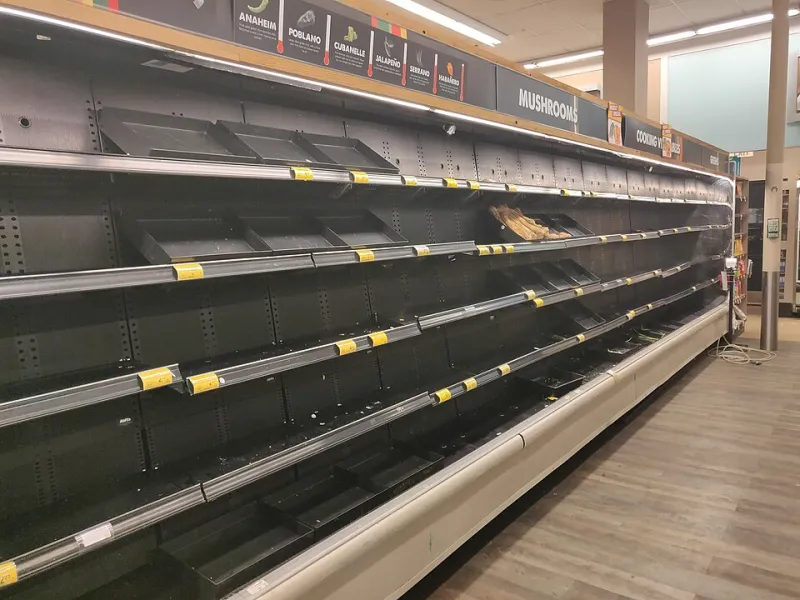
Photo: Kurt Kaiser, CC0, via Wikimedia Commons
The American CBD market was projected to climb past $13 billion, and for a few heady years it seemed like a new brand launched every week. Then gravity returned. Store shelves that once overflowed with tinctures now carry gaps. Subscription boxes stop arriving. Customer service emails bounce back with an automatic reply that no one is monitoring.
If you buy CBD regularly, you have probably watched at least one company you trusted quietly disappear. Understanding why this happens — and how to spot the next casualty — is now a core consumer skill, right alongside reading a certificate of analysis.
Why So Many Brands Are Folding
The math behind the CBD shakeout is unforgiving. When hemp was federally legalized under the 2018 Farm Bill, capital flooded in and retail margins looked enormous. But a crowded field meant every new entrant spent heavily just to be seen. Advertising restrictions on major platforms made customer acquisition brutally expensive, and big-box retailers eventually stocked their own lower-cost lines.
Meanwhile, the FDA's long-running refusal to green-light CBD in food and supplements kept the category in regulatory limbo, chilling investment. Venture funding dried up, and companies built on borrowed money had nothing left to lean on. The result has been a steady drumbeat of bankruptcies, fire-sale acquisitions, and brands that simply stopped answering the phone.
What Happens to You When a Brand Vanishes
The inconvenience is more than sentimental. Customers holding unused bottles lose access to batch-specific lab results — a real problem if a product question or safety concern arises later. Auto-ship subscriptions may keep charging a card if a company's billing processor outlives its customer service team. Loyalty rewards and gift cards, in most cases, are simply gone; unsecured creditors rarely recover anything in a small-company insolvency.
There is also a quieter risk: orphaned products. If a tincture sitting in your cabinet came from a defunct brand, no one is around to honor a recall or answer questions about contamination testing.
Seven Signals a Brand May Not Last
No single red flag is conclusive, but patterns emerge quickly once you know where to look.
1. Shrinking digital footprint. A dormant blog, months-stale social media, and unanswered reviews suggest a company that has stopped investing in itself.
2. Slipping customer service. Send a pre-purchase question through their contact form. If a reply takes more than a few business days — or never comes — treat it as a stress test the brand failed.
3. Discount desperation. Endless 50%-off promotions and countdown timers are often the behavior of a company buying revenue it cannot earn at full price.
4. Stale lab results. Certificates of analysis should match current batch numbers. Old or missing COAs suggest a supply chain in disarray.
5. Sudden category expansion. Brands that abruptly pivot from tinctures to everything from gummies to pet chews to cosmetics may be chasing any revenue rather than executing a plan.
6. Leadership exodus. LinkedIn departures among founders or executives, especially alongside missed product launches, often precede a public exit.
7. No clear backing. Companies that publish nothing about their manufacturing partners, funding, or facilities are harder to hold accountable when trouble starts.
A Five-Minute Due-Diligence Routine
Before your next order, run this quick check:
- Verify the COA. Confirm the lab is accredited and the batch number on the report matches your product.
- Test the inbox. Email a question and time the response.
- Read recent reviews, not the rating. A 4.5-star average built entirely on two-year-old feedback tells you little.
- Check the business registry. Most states let you look up incorporation status and standing in minutes.
- Scan for distress signals. Layoffs, lawsuits, and executive changes surface quickly in a simple news search.
Buying With the End in Mind
None of this means you should avoid smaller or newer brands — many of the best products in this category come from lean, founder-led companies. It means buying with eyes open. Favor brands that publish verifiable lab work, respond like a real business, and show evidence of staying power. And keep auto-ship commitments short: a three-month subscription is a manageable loss; a year's prepayment is not.
The CBD industry is maturing, and maturation is painful. The brands that survive the shakeout will, on the whole, be the ones worth keeping in your cabinet. Your job as a consumer is simply to make sure you are still a customer of one of them when the dust settles.