Hemp Law Crossroads: What Washington's Next Moves Mean for the CBD Bottle in Your Bathroom Cabinet
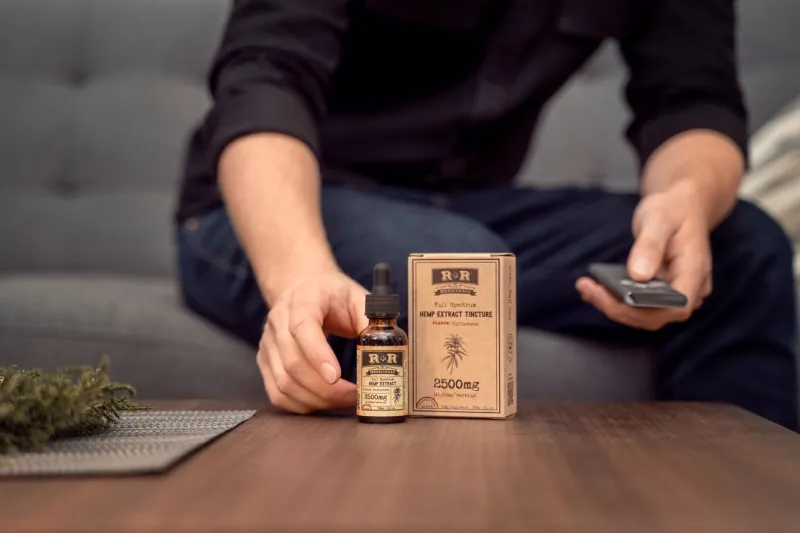
When Congress passed the 2018 Farm Bill, it did more than legalize hemp—it opened the floodgates for an industry that now stocks everything from corner pharmacies to airport kiosks. But the legal framework that made your CBD oil possible is entering its most turbulent period since legalization. Proposed federal rule changes, state-level crackdowns on intoxicating hemp products, and renewed debate over synthetic cannabinoids are converging into what industry observers are calling the most consequential regulatory moment for CBD since 2018.
For consumers, the stakes are practical, not abstract: which products may disappear, which formulations could be reformulated, and what to look for as labels and laws evolve.
Why the Rules Are Changing Now
The original Farm Bill defined hemp as cannabis containing no more than 0.3% delta-9 THC by dry weight. That single sentence, drafted before the explosion of hemp-derived products, created an unintended loophole. Companies quickly realized that chemically converting CBD into delta-8 THC—and other intoxicating cannabinoids—produced products that were technically hemp but functionally psychoactive.
Regulators have spent years playing catch-up. The result is a patchwork: some states have banned delta-8 outright, others have regulated it like alcohol, and federal agencies have issued guidance that stops short of a national standard. With the next Farm Bill cycle and various agency rulemakings underway, that patchwork is being stitched together—or torn apart—state by state.
Three Shifts That Could Hit Your Shelf
1. Tighter THC thresholds. Several proposals would move away from the dry-weight measurement toward limits on total THC content per serving or per package. For full-spectrum users, this matters. A tincture that complies today could exceed new per-serving limits, forcing reformulation or removal from certain markets.
2. Synthetic cannabinoid restrictions. The most likely near-term change is a federal clarification that lab-converted cannabinoids—delta-8, delta-10, hexahydrocannabinol (HHC), and similar compounds—fall outside the legal definition of hemp. If you keep a delta-8 gummy jar next to your CBD drops, assume those products have the shortest regulatory runway.
3. State-by-state divergence. Even where federal law stays permissive, states like California, New York, and Colorado are building their own hemp product registries, age restrictions, and packaging rules. A product legal to ship today may be restricted in your state next quarter.
What to Buy, What to Stock, What to Watch
Reasonably secure: CBD isolate and broad-spectrum products from established brands with consistent third-party lab results. These formulations sit at the center of the regulatory target, not on its edge, and compliant manufacturers are already adjusting.
Worth stocking moderately: If you rely on a specific full-spectrum tincture, keep a modest backup—but avoid panic buying. Reputable companies will reformulate rather than vanish, and hoarding aged product carries its own problems with degradation and potency loss.
Watch closely: Anything containing delta-8, HHC, THC-O, or other converted cannabinoids. Regardless of where federal law lands, these products face mounting state bans, insurance and payment processor scrutiny, and rising quality-control concerns, since many lack robust safety testing.
Reading Labels in a Changing Market
The fundamentals we've emphasized at CBDXpert remain your best protection. Look for a batch-specific certificate of analysis from an ISO-accredited laboratory, confirm the cannabinoid profile matches the label, and verify the company operates legally in your state. As rules tighten, less scrupulous sellers may offload noncompliant inventory at deep discounts—another reason steep markdowns on hemp products deserve skepticism.
Also note how brands communicate compliance. Companies that publish updated lab results, state licenses, and clear THC disclosures are signaling they intend to operate within whatever framework emerges. Silence on regulatory status is itself a data point.
The Bottom Line
The CBD you bought last year was made under rules that may not exist next year. That's not a reason for alarm—core CBD products have survived every regulatory shakeout so far—but it is a reason to pay attention. Favor transparent, lab-verified products, treat intoxicating hemp derivatives as likely short-lived, and check your state's hemp regulations before reordering. In a market defined by legal flux, an informed consumer is the most reliable safeguard.