Follow Your Nose: How Terpenes Shape the Character (and Effects) of Your CBD Oil
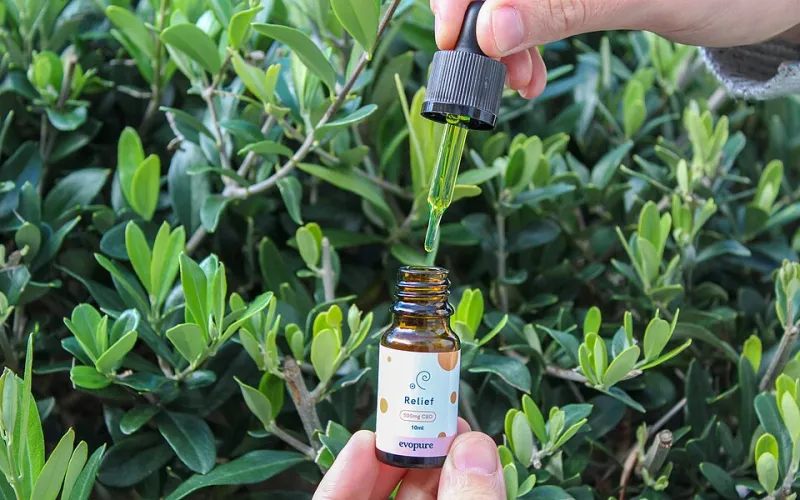
Photo: Evopure, CC BY-SA 2.0, via Wikimedia Commons
Open a bottle of high-quality CBD oil and take a careful sniff. Some products smell faintly of lemon peel. Others evoke a walk through a pine forest or a bouquet of fresh herbs. These aromas are not flavoring additives or marketing gimmicks — they come from terpenes, the aromatic compounds produced naturally by hemp and countless other plants.
For many American consumers, terpenes remain the least understood part of the CBD equation. Yet learning to read an aroma profile can be one of the most practical skills a CBD shopper develops. Here's what these fragrant molecules do, and why they may matter more than you think.
What Exactly Are Terpenes?
Terpenes are volatile organic compounds synthesized in the resin glands of the hemp plant, alongside cannabinoids like CBD and trace amounts of THC. They serve the plant in nature — deterring pests and attracting pollinators — but in your tincture, they do something different: they define the product's sensory identity.
Crucially, terpenes are not unique to cannabis. Limonene shows up in citrus rinds, pinene in conifers, and linalool in lavender. If you've ever enjoyed the scent of a Christmas tree or a cup of chamomile tea, you've already experienced terpenes firsthand.
The Big Three (and a Few Honorable Mentions)
While hemp contains dozens of terpenes, a handful dominate most products:
- Myrcene — Earthy and musky, with notes reminiscent of thyme and hops. Myrcene is one of the most abundant terpenes in hemp and is frequently associated with calming, sedative-leaning qualities.
- Limonene — The compound behind citrus rind aroma. Products rich in limonene tend to smell bright and zesty, and it's the terpene most often linked to elevated mood and stress relief in preliminary research.
- Pinene — Exactly what it sounds like: the sharp, resinous scent of pine needles. Early studies suggest pinene may support alertness and clear breathing.
- Linalool — Floral and soothing, best known as the signature aroma of lavender.
- Caryophyllene — Spicy and peppery, found in black pepper and cloves. Uniquely, caryophyllene also interacts with the body's endocannabinoid system directly, acting on CB2 receptors.
The Entourage Effect, Revisited
You may already be familiar with the entourage effect — the theory that hemp's compounds work better together than in isolation. Terpenes are central to that idea. Emerging research suggests these aromatics may modulate how cannabinoids bind to receptors, potentially influencing whether a product feels energizing or deeply relaxing.
The science is still developing, and no reputable brand will claim terpenes treat or cure anything. But the practical takeaway is reasonable: a full-spectrum oil rich in myrcene may support a very different experience than a limonene-forward product, even at identical CBD strengths.
Shopping With Your Nose
So how do you put this knowledge to work? Start with these steps:
- Check the lab report. Reputable companies publish third-party certificates of analysis, and the best ones include a terpene breakdown alongside cannabinoid data.
- Match aroma to intention. Seeking an evening wind-down? Look for myrcene and linalool. Need daytime focus? Pinene and limonene-heavy profiles may be a better fit.
- Beware of artificial flavoring. Natural hemp-derived terpenes degrade and shift over time; a product that smells like candy rather than cannabis may rely on additives instead of authentic plant chemistry.
- Trust freshness. Terpenes are volatile — they evaporate. A stale, flat-smelling product may have lost much of its aromatic complexity, and possibly some potency.
The Bottom Line
Terpenes won't appear on the front label as prominently as milligrams of CBD, but they may quietly shape your entire experience. Treat your nose as a legitimate screening tool: a product that smells vibrant, complex, and true to the plant is often a product handled with care. At CBDXpert, we believe informed consumers make better choices — and in the world of CBD, sometimes the best information starts with a single, thoughtful sniff.