The Conversation You're Not Having: How to Bring Up CBD With Your Doctor (Without Awkwardness)

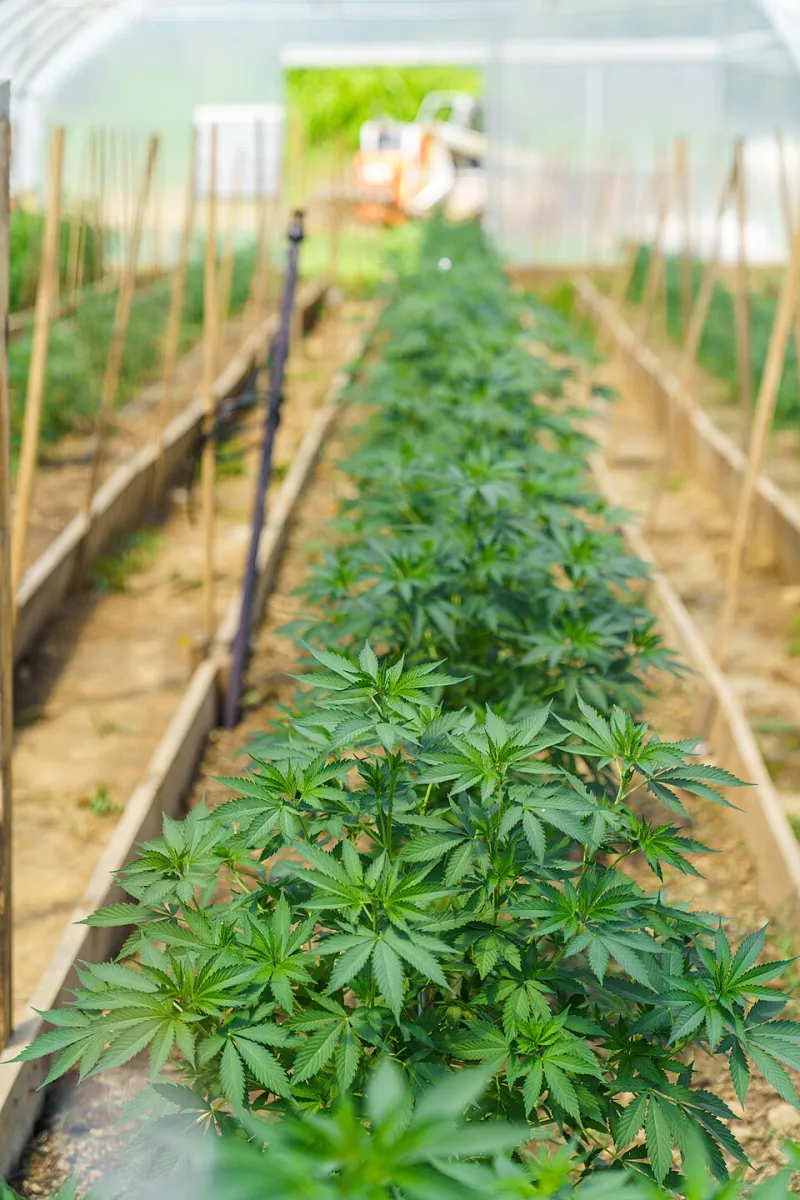
Photo by Photo by Vitaly Gariev on Unsplash on Unsplash
Walk into any American pharmacy, gas station, or grocery store and you'll find shelves of CBD gummies, tinctures, and capsules. Yet ask physicians how often their patients mention using these products, and the answer is rarely encouraging. Research on supplement disclosure consistently shows that a majority of people who take cannabidiol never report it to their healthcare team.
That silence isn't usually stubbornness. Patients worry about being lectured, dismissed, or having their CBD use lumped in with recreational drug use. Some assume their doctor will disapprove; others simply forget it counts as something worth mentioning. But leaving CBD off your medication list creates a genuine blind spot — one that matters most when prescriptions change or new symptoms appear.
Why the Silence Is a Clinical Problem
CBD is metabolized by the same liver enzymes — primarily the CYP450 family — that process many common medications, from blood thinners like warfarin to statins and certain antidepressants. As we covered in our earlier conversation with a pharmacist about drug interactions, the risk isn't theoretical. A product that seems benign on its own can amplify or blunt the effect of a prescription when the two share metabolic pathways.
There's also a diagnostic dimension. If you're using CBD for sleep or joint discomfort and you don't mention it, your physician may attribute changes in your symptoms — better or worse — to something else entirely, leading to unnecessary testing or treatment adjustments.
Before the Appointment: Get Your Facts Together
A five-minute preparation can transform the conversation. Bring the following:
- The actual product or a photo of its label. Doctors want specifics: the brand, the form (oil, gummy, topical), and the milligrams of CBD per serving.
- A Certificate of Analysis (COA). Reputable manufacturers publish third-party lab results. A printed or saved COA showing CBD content and the absence of pesticides, heavy metals, and excess THC does more than any verbal description.
- A simple usage log. Note when you started, how much you take, how often, and any effects you've observed — positive or negative.
- Your full medication list, including over-the-counter drugs and other supplements.
If your product has no COA available, say so honestly. That itself is useful information your doctor should know.
What to Actually Say
You don't need a rehearsed speech. Integrative medicine physicians we interviewed suggested versions of one straightforward opening line:
"I've started taking CBD for [reason], and I want to make sure it's safe alongside everything else I'm on. Can we talk about it?"
That framing accomplishes three things. It discloses the use without apology, it states your purpose, and it invites your doctor into the role of advisor rather than judge. Follow-up questions worth asking include:
- "Does CBD interact with any of my current prescriptions?"
- "Is there a dose range you'd consider reasonable for my situation?"
- "Are there symptoms that should prompt me to stop?"
- "Could this be masking something we should evaluate?"
If anxiety about judgment is holding you back, remember: physicians manage conversations about alcohol, tobacco, and unproven supplements every day. A calm, informed disclosure is routine — and increasingly, expected.
Interpreting the Response
Not every physician will respond the same way, and that's worth preparing for.
The engaged response. Many doctors, particularly younger ones and those in integrative or family medicine, will welcome the discussion and may ask about product quality or suggest monitoring. This is the ideal outcome — treat it as the beginning of an ongoing dialogue, not a one-time permission slip.
The cautious response. Some physicians will say they don't know enough to advise. That's an honest answer, not a dismissal. Ask whether they'd like to see the COA, whether any interaction checkers apply to your medications, and whether a follow-up to reassess makes sense.
The dismissive response. A small minority may wave it off entirely. If that happens, you can still request that your CBD use be documented in your chart, and consider whether a second opinion — perhaps from a pharmacist or a physician with cannabinoid medicine experience — would serve you better.
Special Situations Worth Flagging
Certain scenarios raise the stakes and deserve explicit mention during your appointment:
- Upcoming surgery. Anesthesia teams increasingly ask about CBD because of its potential effects on sedation and bleeding. Mention it during your pre-op screening.
- Pregnancy or breastfeeding. Evidence here is limited and guidance is conservative; full disclosure is essential.
- Liver conditions or alcohol use. Both compound the hepatic considerations around CBD metabolism.
- Drug testing at work. If employment screening matters to you, ask about full-spectrum versus broad-spectrum or isolate products and trace THC content.
A Note for Caregivers
If you manage medications for an aging parent or spouse, the same script applies with one addition: bring the products themselves to the appointment or a family visit. Older adults are more likely to take multiple prescriptions where interaction risk compounds, and they're also the demographic most likely to try a CBD product a friend recommended without telling anyone.
The Bottom Line
Your physician can only protect you from interactions and guide your care if they know what you're actually taking. CBD has moved from fringe to mainstream — it's in Costco, CVS, and your neighbor's coffee order — and the medical conversation is catching up. Walking into your next appointment with a product label, a COA, and one honest sentence is the simplest way to close the gap between what you use and what your healthcare team knows.
The best outcomes with any wellness product, CBD included, start with transparency. Make this the appointment where you have the conversation.