Leash-Law Labeling: What Pet CBD Teaches Human Shoppers About Reading a Bottle
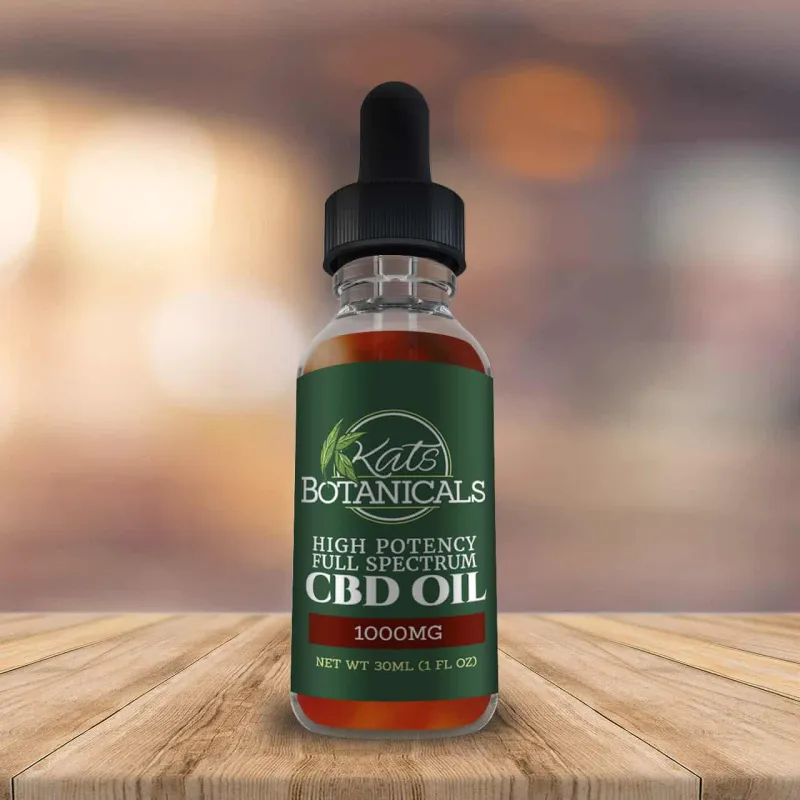
Photo: CBD pet tincture bottle with dog and cat nearby, label and dropper close-up, via katsbotanicals.com
Walk into a well-stocked pet store and you may find a CBD section beside the joint supplements and calming chews. The bottles look familiar: droppers, milligrams, terms like full-spectrum and third-party tested. For a human CBD shopper, the pet aisle is unexpectedly instructive. It shows how labels behave when the buyer is not the user, when dosing depends on body weight, and when the regulatory ground is even less settled than it is for people.
The Label Is the Product
Pet CBD labels often lead with total milligrams per bottle, then a serving size in drops or milliliters. That is the same basic math as a human tincture, but the stakes are more visible. A 30-milliliter bottle containing 300 milligrams of CBD delivers roughly 10 milligrams per milliliter. If the label says one dropper equals one milliliter, then one dropper is about 10 milligrams. If the dropper is 0.5 milliliters, the dose is about 5 milligrams.
Many pet products include a weight chart. Some are careful and conservative. Others offer a single dropper recommendation for every animal, which is a warning sign. A Chihuahua and a Great Dane do not share a dose. Neither do a cat and a Labrador. Weight-based dosing is not a marketing flourish; it is a basic safety concept. If a pet label cannot state concentration clearly, the human label next door probably deserves the same scrutiny.
Weight-Based Dosing Without a Standard
The uncomfortable truth is that the US Food and Drug Administration has not approved CBD for animal use. There is no official dosing standard for dogs or cats. Veterinarians may discuss CBD in some states, but clinical evidence remains limited and uneven. Studies in dogs are small, and feline research is even thinner.
That does not mean pet owners are reckless for exploring CBD. It means the dose on the bottle is often an educated guess, not a regulatory certainty. Cats and dogs metabolize compounds differently, and trace THC is a greater concern for animals than for many human users. A product labeled full-spectrum may contain small amounts of THC that a pet cannot tolerate well. Pet owners should discuss any CBD product with a veterinarian, especially if the animal takes medication or has liver, kidney, or neurological conditions.
The Regulatory Gray Zone
Pet CBD sits in a particularly awkward regulatory space. The FDA has not approved CBD for animal foods or drugs, and state rules vary. Many products are sold as supplements or treats rather than medications, which limits the health claims a brand can legally make. A label that promises to treat arthritis, seizures, or anxiety is making a drug claim that the regulatory framework does not support.
This is where the pet aisle becomes a lesson for human shoppers. Both categories rely on disclaimers, third-party testing, and consumer vigilance. Both contain brands that publish batch-specific certificates of analysis and brands that publish only a generic PDF. Both contain products with clear serving sizes and products that obscure concentration behind vague language.
What Pet Labels Teach Human Shoppers
First, concentration matters more than total milligrams. A large bottle with a low concentration may require a huge serving to deliver a meaningful dose. Second, serving size must be explicit. If a label says take a dropper but does not define the dropper volume, the buyer cannot calculate intake. Third, ingredient exclusions matter. Some flavored pet products contain sweeteners or carriers that are unsafe for animals; xylitol, in particular, is toxic to dogs. Human shoppers should apply the same care to flavorings, sweeteners, and carrier oils.
Fourth, species warnings are useful. A pet label may say not for use in pregnant animals or animals with certain conditions. Human labels should be read with similar caution, especially for people who are pregnant, nursing, or taking prescription medication. Fifth, batch testing is not decorative. A certificate of analysis should show cannabinoid content and screen for contaminants such as heavy metals, pesticides, and microbial issues.
A Crossover Checklist
For pet and human products alike, calculate the milligrams per serving rather than relying on the front label. Check whether the product is isolate, broad-spectrum, or full-spectrum, and understand the THC implications. Look for a batch number and a matching lab report. Read the inactive ingredients. Avoid products with unclear dosing or disease claims. Start with a low serving and observe carefully. For pets, involve a veterinarian; for people, involve a physician or pharmacist when medications are part of the routine.
One more crossover rule: do not assume a human product is safe for a pet. Human tinctures may contain alcohol, sweeteners, or flavorings that are unsuitable for animals. Conversely, a pet product is not a bargain human product. The labeling standards, dosing assumptions, and safety margins are different.
The Bottom Line
The pet CBD aisle is not a sideshow. It is a compressed lesson in label literacy. It shows that concentration, serving size, species, weight, and regulatory status are not fine details. They are the product. Human shoppers who learn to read the bottle next door may find their own labels easier to judge.