The Locker-Room Hypothesis: CBD, Recovery, and the Evidence Athletes Actually Have

Photo: athlete gym bag with CBD tincture bottle and running shoes, sports recovery, via frommycarolinahome.com
Every gym has a version of the same conversation. Someone heard that CBD helps with soreness. Someone else uses a tincture after long runs. A third person says it is all placebo. The claims travel faster than the evidence, which is why CBD in sports recovery deserves a calmer reading. The question is not whether athletes talk about CBD. They do. The question is what the research supports, what the rules allow, and what a sensible buyer should do with the uncertainty.
What the Evidence Can and Cannot Say
CBD is being studied for pain, inflammation, anxiety, and sleep, but the exercise-recovery literature is still thin. Many trials are small, short, and conducted in laboratory settings rather than among everyday athletes. Some studies suggest CBD may influence perceived soreness or sleep quality; others find no meaningful difference from placebo. The honest summary is that CBD is not a proven recovery aid in the way that protein, hydration, and sleep are proven recovery aids.
That does not make the anecdote worthless. Recovery is personal, and placebo effects are real. But athletes should separate a plausible mechanism from a demonstrated outcome. A product may feel calming. That does not mean it repairs muscle tissue, accelerates glycogen storage, or reduces injury risk. Marketing often blurs those distinctions by using words like inflammation and recovery in the same sentence.
The Anti-Doping Calculation
The World Anti-Doping Agency removed CBD from its prohibited list in 2018, but THC remains prohibited in competition. That distinction matters. A full-spectrum CBD product may contain trace THC. For an athlete subject to drug testing, trace amounts are not automatically harmless, because testing thresholds and rules vary by sport and governing body.
Athletes should check their league, federation, and national anti-doping organization rules every season. A product that is legal in one context may create risk in another. Look for batch-specific certificates of analysis that state cannabinoid content, including THC. Do not rely on a front-label claim such as THC-free without documentation. If you compete under a drug-testing program, consult your sports medicine staff before adding any cannabinoid product.
Timing Around Training
There is no standard timing protocol for CBD around workouts. Some athletes use it in the evening to support sleep; others use it after training. The rationale for post-workout use is often based on inflammation, but the evidence is not strong enough to prescribe a schedule. A reasonable approach is to avoid experimenting on a competition day or a key training session. Try a low serving on a rest day, observe the response, and keep a simple log.
CBD can interact with some medications, including certain drugs metabolized by the liver. Athletes who take prescription medication, including asthma or cardiac drugs, should speak with a physician or pharmacist. Recovery products may also contain other ingredients, such as melatonin, caffeine, or herbal extracts, that complicate the picture. Read the full supplement facts panel, not just the CBD number.
Product-Selection Pitfalls
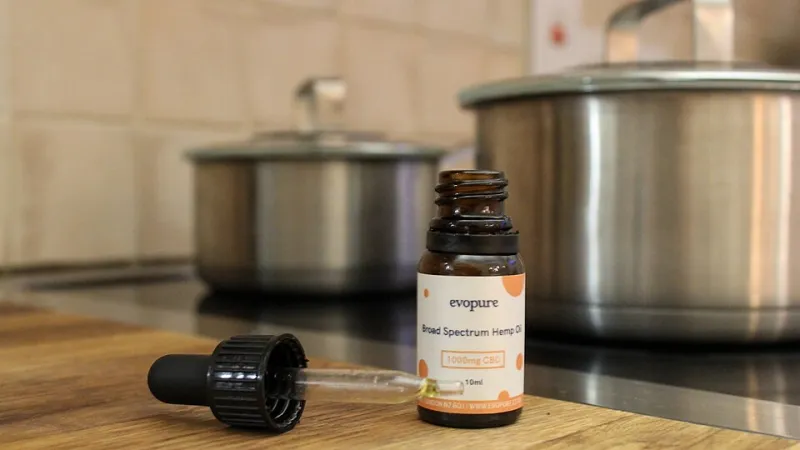
First, understand concentration. A bottle may contain 1,000 milligrams total, but the serving size might be small. Calculate milligrams per serving. Second, decide whether you want isolate, broad-spectrum, or full-spectrum. For drug-tested athletes, isolate or documented broad-spectrum products may be preferable, but only if the lab report supports the claim. Third, verify contaminants testing. Heavy metals, pesticides, and microbial screening matter for any product used regularly.
Be wary of recovery products that bundle CBD with stimulants or proprietary blends. A product that claims to reduce soreness and boost energy may make it harder to know what is doing what. Also be skeptical of clinical-strength language. In the CBD market, that phrase has no standardized meaning.
Why Recovery Claims Deserve Skepticism
Recovery is multifactorial. Sleep, calorie intake, protein, hydration, training load, and stress all matter more than most supplements. A CBD tincture cannot compensate for a chronic sleep deficit or an abrupt increase in training volume. If a brand promises faster recovery without addressing those fundamentals, it is selling a shortcut that the evidence does not support.
Topical CBD products raise a separate issue. They may be used for localized massage, but the evidence for meaningful tissue repair is limited. Ingestible products and topicals are not interchangeable, and neither should replace medical care for a persistent injury.
A Practical Framework for Active Adults
Define the goal before buying: sleep support, post-training calm, or general wellness. Choose the lowest practical serving and test it away from competition. Keep a log of training load, sleep, soreness, and product use. Verify the certificate of analysis by batch. Check the rules that apply to your sport. And consult a clinician if you take medication or have a medical condition.
CBD may have a role in some athletes’ routines. It is not a recovery shortcut, and it is not a substitute for the boring work of sleep, nutrition, and programmed rest. The locker-room hypothesis is worth testing, but it should be tested with the same discipline athletes apply to training.