The Real Cost of Calm: Decoding What Every Dollar in a CBD Bottle Actually Buys
Photo: elsaolofsson, CC BY 2.0, via Wikimedia Commons
Walk into a gas station outside Albuquerque or a wellness boutique in Manhattan and you'll find CBD products separated by a chasm of price that seems to defy logic. A jar of gummies at the checkout counter: $9.99. A glass vial of tincture a few miles away: $180. Both promise the same cannabinoid. So what exactly separates a bargain from a splurge — and where does your money actually go?
The Price Spectrum, Mapped
The US CBD market spans roughly three tiers. Budget products — typically $10 to $30 — dominate convenience stores, mall kiosks, and online flash sales. Mid-range offerings ($40 to $90) make up the bulk of reputable online brands and health food stores. Premium products ($100 to $200+) occupy boutique shelves, often with elaborate packaging and celebrity endorsements.
Here's the uncomfortable truth: price and quality correlate only loosely. The strongest predictor of what you're paying isn't what's in the bottle — it's the business model behind it.
Follow the Money: Four Cost Drivers
1. Extraction and sourcing. CO2 extraction, the gold standard for purity, requires expensive equipment and skilled technicians. Cheaper ethanol or solvent-based methods cut costs but can leave residue if done carelessly. Hemp grown on American farms under the 2018 Farm Bill costs more than imported biomass with murkier provenance. This is where a meaningful portion of a legitimate brand's budget goes — and where bargain brands cut first.
2. Third-party lab testing. An independent certificate of analysis (COA) verifying cannabinoid content and screening for pesticides, heavy metals, and solvents costs real money per batch. Brands that test every batch and publish results transparently carry higher overhead. Brands that don't can undercut them by 40% overnight. That $12 gummy jar? The missing lab fee is part of the discount.
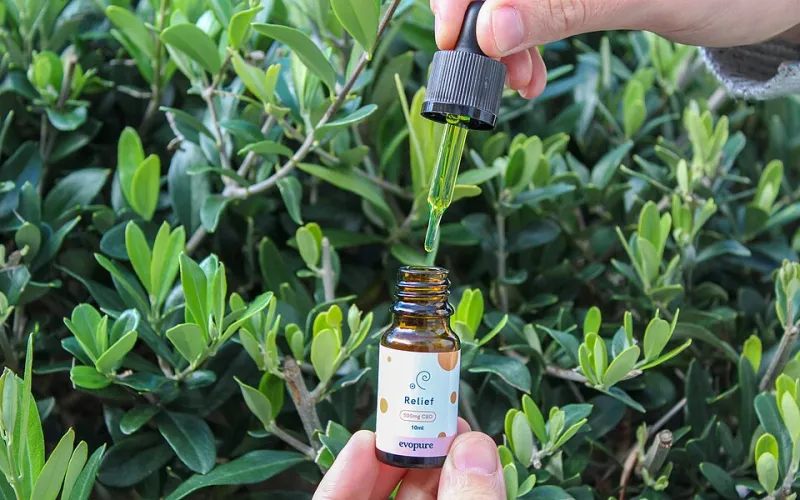
3. Packaging and preservation. Amber or violet glass, airless pumps, and nitrogen-flushed containers protect cannabinoids from light and oxidation. They also cost five to ten times more than plastic dropper bottles. Some of this is function; some is theater. A well-designed label isn't a red flag, but a $150 tincture in a plain dropper bottle and a $150 tincture in a magnetic-closure presentation box are telling you different stories about where the money went.
4. Marketing. This is the least discussed and often largest line item. Influencer partnerships, sponsored podcasts, and glossy retail displays are expensive — and those costs roll into the sticker price. A heavily advertised brand at $120 may contain the same distillate as a quiet, lab-verified competitor at $55.
The Metric That Cuts Through the Noise: Cost Per Milligram
Ignore the bottle price. Divide total price by total milligrams of CBD, and the market suddenly becomes legible:
- Gas station gummies: A $10 jar with 300mg works out to roughly 3.3 cents per mg — suspiciously cheap, given that raw quality distillate alone costs more than that to produce at scale.
- Mid-range tincture: A $60 bottle with 1,500mg lands near 4 cents per mg.
- Premium tincture: A $180 bottle with 3,000mg also works out to 6 cents per mg — a modest premium over mid-range, despite the luxury positioning.
Once you run this math, patterns emerge. Ultra-cheap products are almost always cutting corners somewhere: unverified potency, imported hemp, or absent testing. Meanwhile, some premium products are far more reasonable per-milligram than their shelf price suggests. High prices aren't inherently a rip-off — but low prices almost always signal a compromise.
When Paying More Is Worth It
Spend up when the premium buys verifiable substance:
- Published, batch-specific COAs from an ISO-accredited lab — the single most important quality marker.
- US-grown hemp with traceable farm sourcing.
- Clean extraction methods and transparent manufacturing practices.
- Proper packaging if you'll use the product over months, since oxidation degrades CBD over time.
When It's Just Branding
Hold your wallet when the upcharge is cosmetic: celebrity affiliations, proprietary-sounding "nanotechnology" without supporting data, exclusive retail placement, or packaging designed to look pharmaceutical. If two products have equivalent COAs, comparable hemp sourcing, and similar cost-per-milligram, the fancier one is selling you an experience, not a cannabinoid.
The Bottom Line
The CBD market rewards informed shoppers and punishes careless ones. Before your next purchase, do thirty seconds of arithmetic: price divided by milligrams, then check whether a current COA exists. A fair price for verified CBD in the US generally falls between 3 and 8 cents per milligram for tinctures — with anything dramatically below that range deserving deep skepticism, and anything above it owing you a very good explanation. Your calm shouldn't cost a fortune, but it shouldn't come from a clearance bin either.