Seed to Shelf: Following Your CBD Bottle Back to the Farm
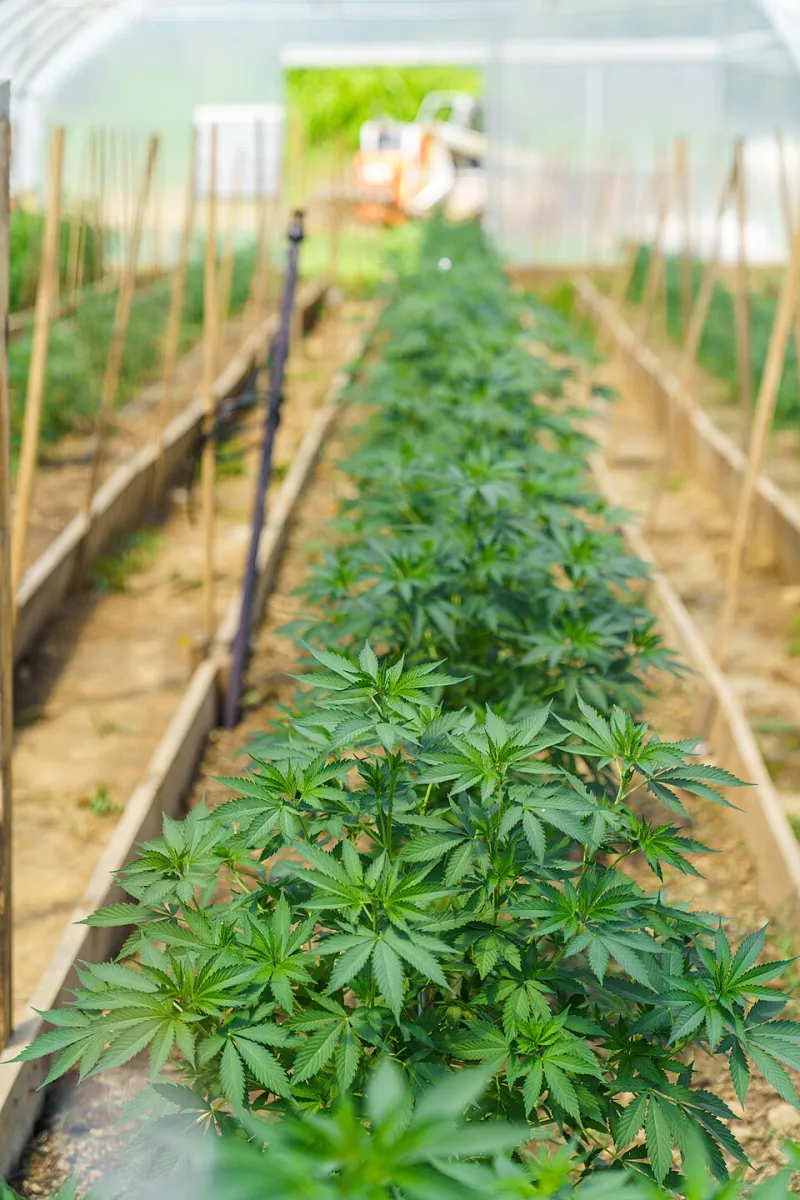
Photo: USDAgov, Public domain, via Wikimedia Commons
Pick up almost any CBD product in an American store and you'll find a leaf logo, the word "pure," and perhaps a reference to wellness. What you usually won't find is anything resembling an answer to the most important question a consumer can ask: where, exactly, did this come from?
The truth is that not all CBD is created equal, and the difference between a well-made product and a questionable one is decided long before the oil ever meets a bottle. Understanding the supply chain—from a hemp seed in the ground to a tincture in your hand—is the single best way to protect yourself in a market that remains lightly regulated.
Why the Farm Matters More Than the Label
Hemp is what botanists call a bioaccumulator, meaning it absorbs whatever exists in the soil around it, including heavy metals, pesticide residues, and other contaminants. A hemp plant grown in compromised soil will carry that history into every extract made from it—no amount of filtration fixes a contaminated crop.
This is why domestic sourcing matters. Hemp grown under the 2018 Farm Bill framework must comply with federal rules limiting THC content and, in most states, is subject to state-level testing and licensing programs. Kentucky, Colorado, Oregon, and North Carolina have all developed robust hemp programs with oversight that imported hemp simply doesn't undergo. Product entering the US from overseas—often in bulk crude oil form—may never face equivalent scrutiny before it's bottled and sold on an American shelf.
When a brand advertises US-grown hemp, it's not just marketing. It's a signal that the raw material passed through a documented, regulated agricultural system.
Extraction: Where Quality Is Won or Lost
Once harvested, hemp must be processed to separate cannabinoids and terpenes from the plant material. The method used has a direct impact on what ends up in your bottle.
CO2 extraction is widely considered the gold standard. Using pressurized carbon dioxide, it pulls cannabinoids cleanly without leaving behind solvent residues. It's expensive equipment, which is why brands that invest in it tend to advertise the fact.
Ethanol extraction is also legitimate and widely used, particularly for large-scale production. When done properly—followed by a refinement step to remove residual solvents—it produces safe, consistent extract.
Hydrocarbon extraction (using butane or propane) is common in cannabis markets but requires rigorous purging to be safe, and it's rarely necessary for quality CBD products.
Then there's the low end: cheap "solvent-free" claims on rock-bottom-priced products often mask crude methods that leave waxes, chlorophyll, and sometimes chemical residues in the final oil. If a product's price seems impossibly low for the volume, the shortcut usually happened at this stage.
Reading a Certificate of Analysis Like an Insider
A certificate of analysis, or COA, is a lab report from an independent testing facility. Every reputable brand will publish one—ideally with a batch number you can match to your specific bottle. Here's how to read one:
- Check the lab. The testing facility should be an accredited third party, not the brand's in-house operation. Look for ISO/IEC 17025 accreditation, the recognized standard for testing labs.
- Match the batch. A COA that doesn't correspond to a verifiable batch number is essentially decorative. Reputable companies let you enter your product's batch number on their website to pull the exact report.
- Verify cannabinoid content. The report should list CBD (and CBDA) content by weight. Compare it to the label—a product claiming 25 mg per serving that tests at 15 mg is mislabeled, and that's a red flag about everything else the company does.
- Check THC levels. Legal hemp products must contain no more than 0.3% delta-9 THC by dry weight. If you're drug-tested at work, look for broad-spectrum or isolate products with non-detectable THC on the COA.
- Scan the contaminant panel. The best COAs include results for heavy metals (lead, cadmium, arsenic, mercury), pesticides, mycotoxins, and residual solvents. A "pass" on all of these is what you want to see.
If a brand won't share a COA at all, treat that as a disqualifying answer. There is no legitimate reason to withhold third-party test results in this industry.
Red Flags: How Brands Hide Weak Sourcing
Beyond missing COAs, several patterns suggest a company would rather you not ask questions:
- Vague origin language. Phrases like "grown with global partners" or "sourced from premium farms" without a state or country named usually mean the hemp's origin is a detail the brand would prefer to skip.
- No extraction method disclosed. Companies proud of their CO2 or ethanol process say so. Silence often signals something cheaper.
- Full-spectrum claims with no THC data. A genuine full-spectrum product has a measurable THC content that must appear on the COA. If it's absent, the "full-spectrum" claim is unverified.
- Batch numbers that go nowhere. A QR code or website lookup that leads to a generic marketing page instead of a lab report is a warning sign.
- Prices far below market. Quality hemp, clean extraction, and third-party testing cost money. Dramatic discounts usually mean one or more of those steps was skipped.
Questions Worth Asking Before You Buy
You don't need a chemistry degree to vet a CBD brand—just a willingness to ask a few direct questions. Where is the hemp grown? What extraction method do you use? Can I match my bottle to a batch-specific COA? Brands with solid supply chains answer these readily and in detail. Brands without them tend to answer in marketing language.
The CBD market has matured considerably since the post-2018 boom, but it still runs on consumer diligence rather than strict enforcement. The companies worth your money are the ones that treat transparency not as a selling point but as a baseline—because they know that a customer who understands the journey from seed to shelf is a customer they can keep for years.
Your health is too important to spend on a product with an untraceable past. Trace it.