From Backyard Beds to Basement Grow Lights: A Senior's Guide to Legal Home Hemp Cultivation
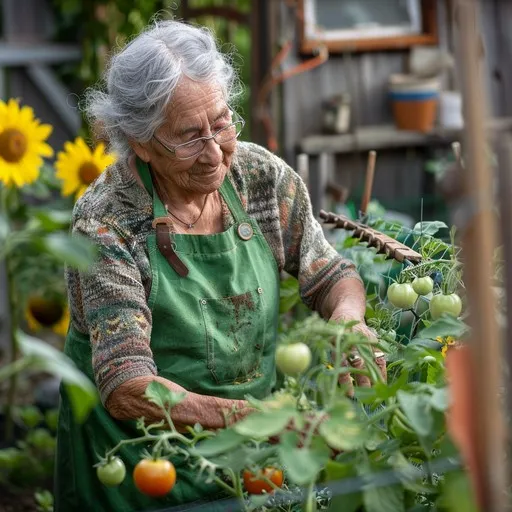
Photo: senior woman gardening outdoors tending plants backyard, via images.stockcake.com
Walk through nearly any retirement community in Oregon, Colorado, or Kentucky these days and you may hear an unexpected topic at the potluck: pH levels, soil amendments, and harvest timing. Home hemp cultivation, once a fringe pursuit, has quietly become a popular hobby among Americans over 60 — a generation comfortable with gardening, cautious with medications, and curious about the plant behind their CBD tinctures.
But enthusiasm and legality are two different things. Before the first seed goes in the ground, it pays to understand exactly what federal law allows, what your state may add or subtract, and what practical steps separate a successful first harvest from a disappointing one.
What the 2018 Farm Bill Actually Changed
The Agriculture Improvement Act of 2018 — commonly called the Farm Bill — removed hemp from the federal government's list of controlled substances. That was a genuine turning point: for the first time in more than 80 years, hemp was no longer classified alongside marijuana.
The distinction hinges on one number. Under federal law, hemp is cannabis containing no more than 0.3 percent delta-9 THC by dry weight. Anything above that threshold is legally marijuana, regardless of the grower's intent.
Critically, the Farm Bill legalized hemp at the commercial level — licensing farmers, opening interstate commerce, and directing states to build their own regulatory plans. What it did not do is automatically guarantee a right to grow hemp in your backyard. That question was left largely to the states, and the states have answered it very differently.
The State-by-State Patchwork
If you're considering growing hemp at home, your first phone call shouldn't be to a seed catalog — it should be to your state's department of agriculture or a qualified attorney.
The landscape currently falls into three broad buckets:
- States that permit home cultivation under general cannabis or hemp rules. Several states that have legalized recreational marijuana extend those provisions to hemp, allowing adults to grow a limited number of plants. Colorado and certain others fall into this permissive camp.
- States that require a license or permit even for personal cultivation. In these jurisdictions, home growing without state approval — even of compliant hemp — can still run afoul of local law.
- States that prohibit or heavily restrict cultivation outright. A number of states, including some in the South and Plains regions, have imposed moratoriums or banned personal hemp growing altogether, citing enforcement concerns.
Adding another layer, some municipalities and homeowners associations have their own ordinances that restrict cultivation regardless of state law. A retired teacher in one Ohio suburb, for instance, discovered that her HOA's landscaping rules gave her more trouble than the state ever did.
The takeaway: legality is hyper-local. Assume nothing, verify everything.
Why Seniors Are Picking Up the Pruning Shears
The appeal makes sense when you talk to older growers. Many began using CBD for joint discomfort, sleep, or general wellness and grew frustrated with the cost and inconsistency of store-bought products. Growing their own offers three things retail shelves can't always provide: transparency, affordability, and a hobby.
There's also a familiarity factor. Today's seniors came of age in the era of victory gardens and backyard vegetable plots. Hemp, botanically speaking, is a fast-growing annual — not so different from the tomatoes and zucchini they've cultivated for decades.
One 71-year-old grower in Michigan described the experience this way: "I've grown flowers my whole life. This was just a new variety with better research behind it."
A Practical Starter Guide for First-Time Growers
For those in states where home cultivation is permitted, here's a realistic path from seed to harvest.
Step 1: Confirm Your Legal Standing
Before purchasing anything, obtain written or documented confirmation of your state's current rules. Hemp law is a moving target; what was true two years ago may have changed.
Step 2: Choose Genetics Carefully
Look for hemp strains bred specifically for high CBD and minimal THC — often labeled as "Type III" or CBD-dominant cultivars. Reputable seed banks provide certificates of analysis showing expected THC content. Autoflowering varieties are popular with beginners because they flower based on age rather than light cycles, simplifying the process.
Step 3: Pick Your Setup
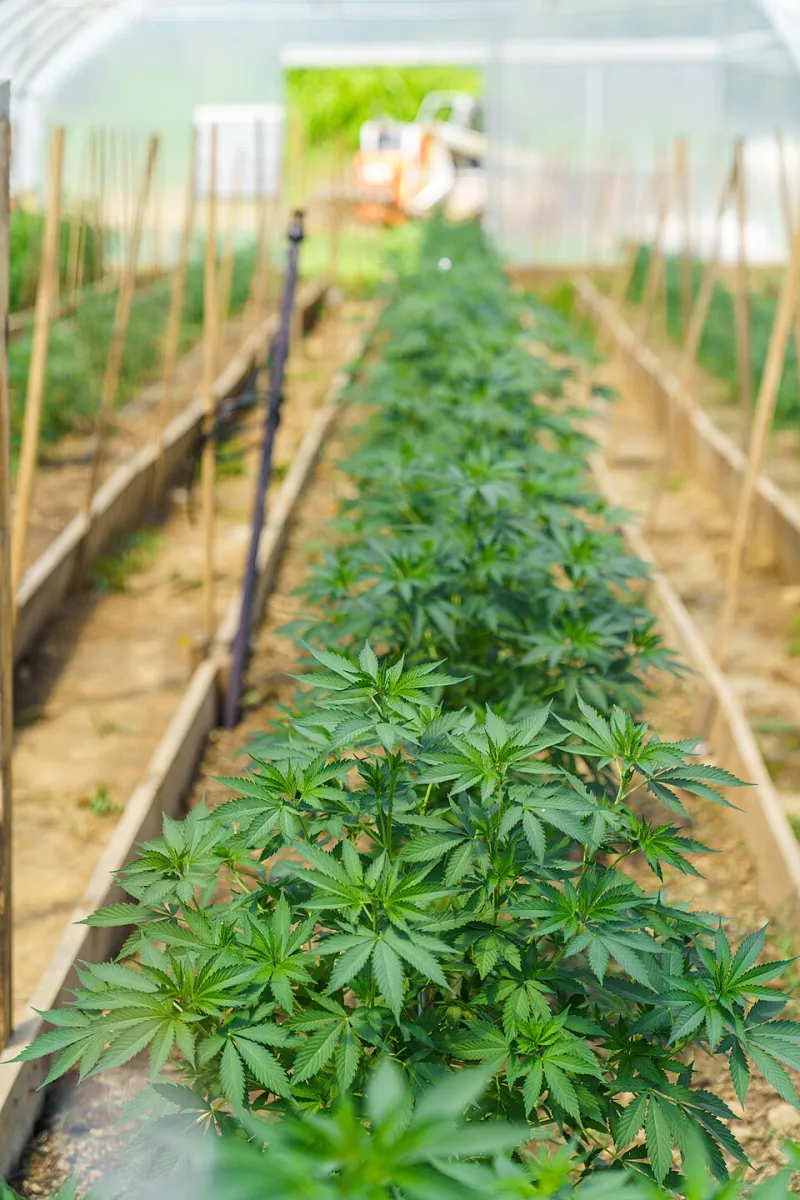
- Outdoor: The most economical route. Hemp needs full sun, well-draining soil, and roughly 108 to 120 frost-free days. It's also a large, fast-growing plant — plan for space and consider whether visible plants might raise questions from neighbors.
- Indoor: Grow tents with LED lights offer privacy and year-round control but require a modest investment in equipment and electricity.
- Greenhouse: A middle path popular with older growers — protection from weather without the full cost of indoor lighting.
Step 4: Mind the Fundamentals
Hemp is forgiving but not indestructible. Prioritize:
- Well-draining soil with a pH between 6.0 and 7.0
- Consistent watering, especially during the flowering stage
- Good airflow to prevent mold, hemp's most common ailment
- Minimal fertilizer early on — hemp is a heavy feeder, but overdoing nitrogen delays flowering
Step 5: Test Before You Harvest
This is the step that separates careful growers from careless ones. THC levels can creep upward late in the flowering cycle, particularly during heat stress. Home testing kits and certified labs can verify that your harvest remains under the 0.3 percent federal threshold. Responsible growers test early and test often.
Honest Limitations Worth Knowing
Home cultivation is not a guaranteed shortcut to cheap CBD. Yields vary, processing raw hemp into usable oil requires decarboxylation and extraction equipment or professional services, and a single hot plant — one that exceeds the THC limit — can create legal exposure in stricter states.
There's also the medical dimension. Seniors taking blood thinners, blood pressure medications, or other prescriptions should consult their physician or pharmacist before using homegrown CBD products, as CBD can interact with common medications. Growing the plant is gardening; consuming it is a health decision.
The Bottom Line
The 2018 Farm Bill opened a door, but it didn't remove every threshold. For older Americans with the patience to research their state's rules and the gardening instincts they've honed over decades, home hemp cultivation can be a rewarding, legal, and genuinely enjoyable pursuit. For others — particularly those in restrictive states — high-quality, lab-verified CBD products remain the safer and simpler route.
Either way, the first step is the same: know the law where you live, and let that knowledge shape the garden you grow.