Six Seconds in the Aisle: The Instant Clues That Separate Real CBD From Shelf Filler
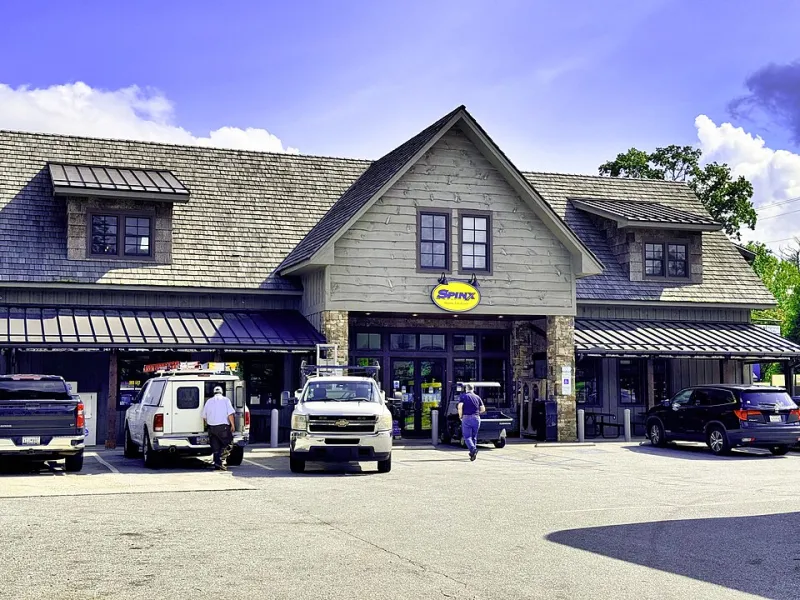
Photo: Harrison Keely, CC BY 4.0, via Wikimedia Commons
You can learn most of what you need to know about a CBD product before you ever pick it up. Not from the label — from everything surrounding it. The bottle's design. The number on the shelf tag. The store itself. Experienced shoppers and industry insiders perform this kind of rapid assessment constantly, and the good news is that the skill is entirely learnable. Here's how to read the retail environment the way an expert does.
The Store Is the First Signal
Start with the venue. Legitimate CBD brands fight for placement in pharmacies, natural food co-ops, wellness boutiques, and established e-commerce retailers — channels where products face scrutiny, returns policies, and brand accountability. When a product's primary distribution strategy involves truck stops, smoke shops with barred windows, or gas station counters wedged between energy supplements and lottery tickets, ask yourself why.
The answer usually involves one of two things: the brand can't meet the compliance standards of mainstream retailers, or it's chasing impulse purchases from consumers who won't research the product later. Neither is a good sign. This isn't snobbery — it's pattern recognition. Reputable manufacturers invest in channels where their quality claims can be verified and their reputation compounds over time.
Packaging Speaks Before Words Do
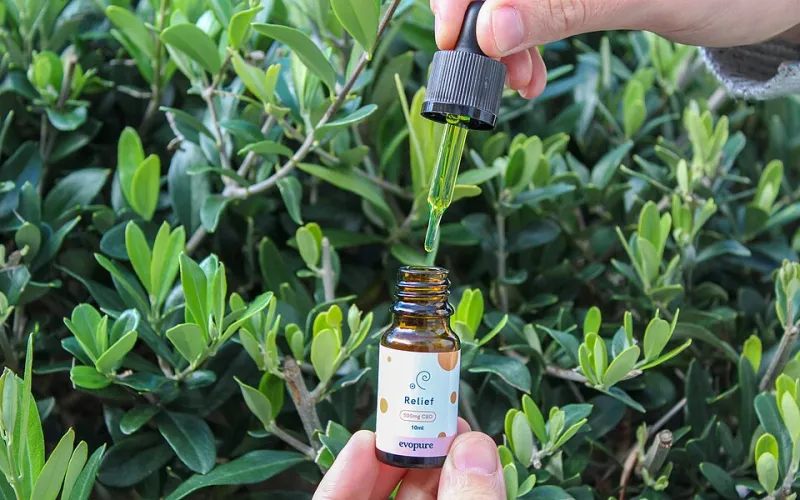
Once your eyes land on the product itself, the bottle is making promises whether the manufacturer intends it or not. Legitimate brands tend to share certain packaging traits:
- Specific potency statements. Look for milligrams of CBD per serving printed clearly, not vague phrases like "maximum strength" or "pure relief."
- Batch and lot numbers. These should match a certificate of analysis (COA) from an accredited third-party lab.
- Honest ingredient panels. Short, legible, pronounceable. A tincture needs oil, CBD, and perhaps flavoring — not a paragraph of proprietary blends.
- Realistic health language. The FDA prohibits CBD companies from claiming their products treat diseases. Words like "cures," "treats anxiety," or "fights cancer" on packaging are not boldness; they're a red flag that the company is willing to violate federal rules to sell to you.
Design quality matters too, but not the way you might think. A slick, expensive-looking label can wrap a worthless product just as easily as a cheap one. The tell isn't polish — it's specificity. Vague design with vague claims is the signature of a brand built for the shelf, not the consumer.
The Price Test: Both Directions
Pricing tells a story in two acts. The first is the too-cheap scenario. Extracting CBD from hemp is an agricultural and laboratory process with real costs — biomass, extraction equipment, solvent recovery, testing. A 1,000 mg tincture retailing for $12.99 hasn't discovered a business efficiency nobody else has. It's likely using isolate of dubious origin, hemp from unvetted sources, or simply less CBD than the label claims. Independent surveys have repeatedly found that a meaningful share of CBD products are mislabeled, and underdosing is far more common than overdosing.
The second act is the too-expensive scenario. Premium pricing doesn't automatically mean premium product. Some brands wrap ordinary distillate in luxury packaging and boutique markups. Price can signal quality, but it can equally signal marketing budget. The reliable move is comparing price per milligram of CBD across products in the same category — that number, not the sticker, is what you're actually evaluating.
Why Do Shady Products Cluster in Certain Channels?
Understanding the economics answers the question. Mainstream retailers — the Walgreens and Whole Foods of the world — require documentation: COAs, insurance, manufacturing certifications, sometimes even on-site audits. Getting onto those shelves is expensive and slow. For a company whose business model is a fast flip rather than a lasting brand, that gatekeeping is a barrier.
Marginal retail channels, by contrast, have low barriers and high turnover. A product can enter a gas station distributor's catalog with minimal vetting, sit at the counter for a season, and vanish without consequence when complaints arrive. The channel structure itself selects for brands optimized for anonymity. That's why the location of the product is data — arguably the cheapest due diligence available to any shopper.
A Six-Second Scan You Can Actually Use
Next time you encounter a CBD product anywhere, run this quick sequence:
- Glance at the venue. Would this store accept a return and stand behind the product?
- Check the potency. Is a milligram amount per serving stated plainly?
- Scan the claims. Any disease language? Walk away.
- Look for a QR code or batch number linking to a lab report.
- Do the per-milligram math against products you already trust.
Five checks, a few seconds, and you've filtered out the majority of problem products without reading a word of marketing copy.
The Deeper Principle
Every one of these signals — placement, packaging, pricing — points to the same underlying question: does this company expect to still be in business when you come back? Brands built for longevity behave differently at every touchpoint, because their reputation is their asset. Brands built for a quick transaction behave differently too, and the evidence is written all over the shelf.
Due diligence doesn't end with the six-second scan. Always verify the COA against the batch number, and consult your physician before adding CBD to your routine, especially if you take other medications. But as a first filter, the retail environment is remarkably honest — if you know how to listen to it.