Oxidized, Weakened, Wasted: What Really Happens to CBD Oil as It Ages on Your Shelf
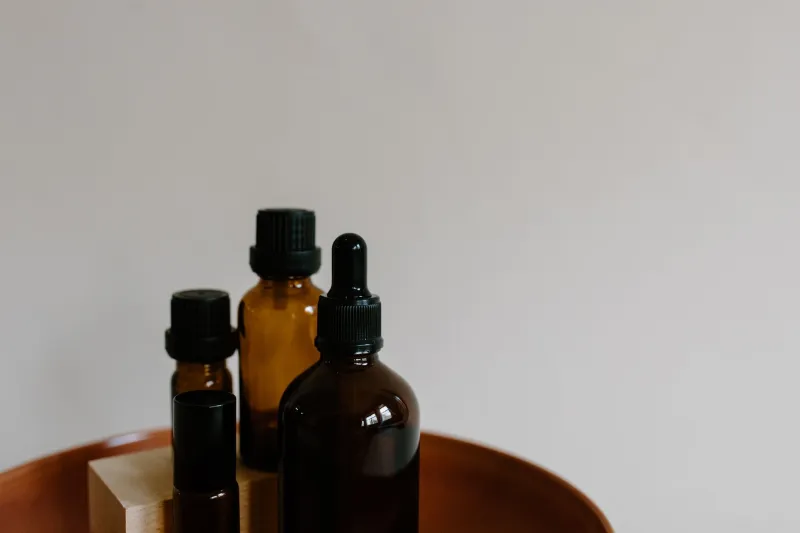
That bottle of CBD oil sitting in your bathroom cabinet — the one you bought last winter and reach for occasionally — may not be delivering what the label promises. Unlike fresh produce, CBD products don't announce their decline with mold or a sour smell. Instead, they fade quietly, losing potency one chemical reaction at a time.
Understanding how and why this happens can save you money, ensure you're actually getting the dose you think you are, and help you decide whether that half-used bottle from 18 months ago is worth finishing or tossing.
The Chemistry of a Fading Bottle
Cannabidiol is a lipid-soluble molecule, and like many plant-derived compounds — think omega-3s in fish oil or the polyphenols in olive oil — it's vulnerable to oxidation. When CBD molecules encounter oxygen, ultraviolet light, or elevated temperatures, they begin to break down into other compounds.
Researchers studying cannabinoid stability have documented several degradation pathways. The most notable byproduct is THC-like activity: under certain conditions, CBD can degrade into cannabinol (CBN) and other related compounds, and trace amounts of psychoactive conversion products have been observed in laboratory stress tests. In real-world storage, the more practical concern is simpler — your 25 mg serving gradually becomes a 20 mg serving, then a 15 mg serving, until the bottle is doing far less than you paid for.
Three culprits do most of the damage:
- Light. UV radiation accelerates photodegradation, which is why reputable brands package CBD in amber or opaque violet glass rather than clear plastic.
- Heat. Temperatures above roughly 70–75°F speed up chemical reactions. A bottle stored in a hot car in an Arizona summer or on a windowsill in a Florida kitchen degrades far faster than one kept cool.
- Air. Every time you open the dropper, oxygen enters the bottle. Oxidation is cumulative and unavoidable — but it can be slowed.
What the Expiration Date Actually Tells You
The date printed on your CBD product isn't a safety deadline in the way it might be for perishable food. It's the manufacturer's best estimate of how long the product will retain its advertised potency and quality — typically 12 to 24 months from production.
That estimate assumes reasonable storage conditions. A bottle kept in a cool, dark pantry may remain close to full strength well past its printed date. The same product left on a sunny counter or in a steamy bathroom might fall below spec months early.
Two other components of your oil have their own clocks. Carrier oils like MCT (medium-chain triglyceride) coconut oil can go rancid, and flavorings or botanical additives can degrade. Rancid carrier oil doesn't usually pose a serious health hazard in small amounts, but it produces an unpleasant taste and signals the product is past its prime.
Signs Your CBD Has Passed Its Prime
You don't need a lab to do a basic quality check. Look for:
- Color shift. A noticeable darkening or cloudiness, especially if the oil started out clear or light gold.
- Smell. A musty, sour, or "crayon-like" odor suggests rancid carrier oil.
- Taste. Harsh, bitter, or off-flavors beyond the natural earthiness of hemp.
- Texture. Separation that doesn't resolve with gentle shaking, or unusual thickness.
- Performance. The most reliable indicator — if a familiar dose suddenly seems to do nothing, degradation is the likely explanation.
Is Expired CBD Dangerous — or Just Weak?
For most consumers, expired CBD is primarily a potency problem, not a poisoning problem. Properly manufactured products from brands that publish third-party lab results don't typically become toxic with age.
There are, however, two caveats worth knowing. First, degraded products with degraded labeling create dosing guesswork — if you rely on CBD for consistent support with sleep or post-exercise recovery, an underperforming bottle undermines your routine. Second, products stored carelessly can grow mold or bacteria, particularly those with water-containing ingredients like gummies or lotions. Oils resist microbial growth better, but no product is immune to contamination if stored badly.
The sensible rule: if an expired product looks, smells, and tastes normal, it's likely just weaker. If anything seems off, replace it.
Storage Practices That Actually Extend Shelf Life
A few low-effort habits can add months of usable life to your purchase:
- Refrigerate oils. Cool, dark, stable conditions slow oxidation dramatically. CBD oil may thicken slightly when chilled — warm the bottle briefly in your hands before use.
- Cap it tightly and quickly. Minimize the bottle's exposure to air. Don't leave the dropper resting on the counter mid-dose.
- Avoid the bathroom and the car. Humidity and temperature swings are the two worst enemies of cannabinoid stability.
- Buy sizes that match your usage. A 30 mL bottle you finish in six weeks will always be fresher than a 100 mL bottle that lingers for a year.
- Keep gummies and capsules sealed. Individually wrapped or tightly closed formats hold up better than opened pouches.
- Check the manufacture date, not just the expiration. Some brands list both; fresher stock means more runway.
The Bottom Line
CBD oil is an investment in your wellness routine, and like any plant-derived supplement, it rewards proper care. Treat your bottle the way you'd treat a good olive oil — keep it cool, keep it dark, keep it sealed — and it will deliver its labeled potency for the life of the product and often beyond.
And if you discover a forgotten bottle tucked behind your toiletries? Give it the sensory check above. Worst case, you've learned a valuable lesson about buying smaller. Best case, you've rescued a perfectly serviceable product from an early trip to the trash.
This article is for informational purposes only and is not medical advice. Consult a healthcare professional before starting or changing any supplement routine.